
“How apps track your data is the process where mobile applications collect, analyze, and share user behavior, location, and device information to build detailed digital profiles.“
What does “how apps track your data” really mean in 2026?
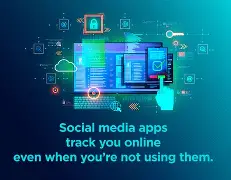
How apps track your data refers to the process where mobile applications collect, analyze, and share user behavior, location, and device information to build detailed user profiles.
Every time you open an app, you are not just using it. You are generating data that is instantly captured, analyzed, and stored by AI-driven systems.
In 2026, this goes far beyond simple tracking. Apps now monitor behavior patterns, predict intent, and connect your activity across platforms in real time.
A recent April 2026 update on mobile tracking systems in the U.S. shows increased integration between apps, advertisers, and AI analytics platforms. Learn more here: recent U.S. mobile tracking developments.
This is where AI surveillance US systems intersect with everyday app usage, turning normal actions into predictive signals.
How do apps track your data on your phone?
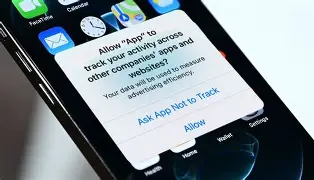
At a surface level, apps ask for permissions. At a deeper level, they track patterns you do not consciously notice.
Most users in the U.S. accept permissions quickly. That includes location, camera, microphone, and background activity.
The main ways apps track your data:
- Location tracking using GPS, WiFi, and Bluetooth signals
- Behavior tracking like scroll speed, taps, pauses, and session time
- Device fingerprinting using your phone model, OS, and settings
- Cross app tracking connecting activity across multiple apps
Apps like Apple Maps, Waze, and GasBuddy rely on location data to function. But that same data is used to build behavioral profiles tied to your daily routines.
A new April 2026 report on app tracking in the U.S. shows that many apps continue collecting background data even when closed. See details here: latest U.S. app tracking insights.
This explains how apps track your data US 2026 at a much deeper level than most people realize.
Are data tracking apps US selling your information?
Yes, but not always in the way people think.
Most data tracking apps US do not sell raw personal data directly. Instead, they sell behavioral insights, audience segments, and predictive models built from your data.
This includes advertisers, analytics firms, and data brokers. Your activity becomes part of a larger data marketplace worth billions of dollars annually in the U.S.
For example:
- Your location data can be packaged into audience segments
- Your browsing behavior can influence ad targeting across platforms
- Your engagement patterns can shape algorithmic recommendations
A recent April 2026 U.S. data economy update highlights how rapidly this market is expanding. Read more here: latest U.S. data economy report.
This connects directly to the system explained in our breakdown of AI surveillance US.
Once your data enters this system, it becomes part of a network that continuously learns from your behavior.
How does how apps track your data affect your daily life?
Most people assume this only affects ads. That is not accurate.
How apps track your data directly influences pricing, recommendations, and digital experiences across the U.S. economy.
Here is how it shows up:
- Dynamic pricing on flights, hotels, and ride apps based on behavior
- Personalized ads that predict purchases before you search
- Content feeds that shape what information you see daily
In Los Angeles, ride share and delivery apps use real time demand and behavior data to adjust prices instantly. This means two users in the same area can see different pricing based on patterns.
Apps like Reddit and X track engagement deeply. Even what you pause on feeds into algorithms that shape your future content.
This is why how apps track your data is not just technical, it is personal and economic.
Is this connected to AI surveillance US?
Yes, and this is the bigger picture most people miss.
AI surveillance US includes data collected from apps, not just cameras or government systems.
Your phone acts as a constant data source. Apps feed this data into AI systems that analyze and predict behavior at scale across the United States.
This means:
- Your movement patterns influence urban planning models
- Your spending behavior shapes marketing strategies
- Your engagement data impacts what content you are shown
This also connects to automation trends and job tracking. We explored that here: AI job impact in the US.
Understanding how apps track your data US 2026 helps you see how deeply integrated these systems have become.
Can you reduce how apps track your data?
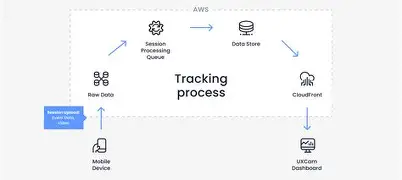
You cannot fully stop how apps track your data, but you can reduce it significantly.
The goal is to limit exposure and take control of your digital footprint.
Practical steps that work:
- Review app permissions regularly
Turn off location, microphone, and background access where not needed. - Disable cross app tracking
Both iOS and Android offer tracking control settings. - Use privacy focused tools
Browsers like Brave and DuckDuckGo reduce tracking activity. - Delete unused apps
Unused apps can still collect data in the background. - Download your data reports
Review what companies actually store about you.
A recent April 2026 update on privacy tools in the U.S. shows growing adoption of tracking controls. Learn more here: latest privacy protection trends.
These steps will not make you invisible. But they will reduce how much data you give away daily.
how apps track your data in 2026
How apps track your data is no longer optional or hidden. It is built into how digital systems operate in the United States.
Your phone is not just a tool. It is a continuous data source feeding into AI surveillance US systems every day.
The real issue is not just collection. It is how that data is used to predict and influence your behavior over time.
Once you understand how apps track your data US 2026, you stop seeing apps the same way.
You start seeing the system behind them.
FAQs
How apps track your data on smartphones?
Apps track your data using permissions, sensors, and behavioral analysis, including location, usage patterns, and device information.
How apps track your data in the US in 2026?
In 2026, apps use AI-driven systems to collect and analyze real-time data across platforms, building detailed behavioral profiles.
Can apps track your data without permission?
Some tracking happens through indirect methods like device fingerprinting and behavioral signals, even without explicit permissions.
Why do apps track your data?
Apps track data to personalize content, improve services, and generate revenue through targeted advertising and analytics.
How can you stop apps from tracking your data?
You can reduce tracking by limiting permissions, disabling cross app tracking, using privacy tools, and reviewing your data regularly.