

What is AI surveillance US and how does it work today?
AI surveillance US refers to the use of artificial intelligence technologies to monitor, track, and analyze human behavior across public and private spaces in the United States.
Right now, this is not some future concept. AI systems are actively analyzing video feeds, tracking location data, and predicting behavior in real time across the U.S.
In April 2026, multiple U.S. cities expanded smart surveillance infrastructure tied to public safety and traffic systems. These systems can identify patterns, flag unusual activity, and track movement across locations within seconds.
If you use apps like Apple Maps, Google Maps, or Waze, your location data feeds into larger AI ecosystems. Even when anonymized, data patterns can still be reconstructed with high accuracy over time.
How widespread is AI surveillance US right now?
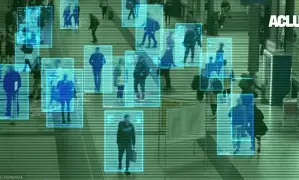
The scale of AI surveillance US is expanding rapidly across both public and private sectors.
According to a recent April 2026 update on U.S. smart city technology adoption, cities are investing heavily in AI-driven monitoring tools tied to safety and infrastructure. Read more here: U.S. smart surveillance expansion report.
Retail is moving even faster. Stores now use AI-powered systems to track how long you browse, what you touch, and how you move inside stores.
Workplaces are also ramping up surveillance. A new April 2026 report on AI workplace monitoring trends shows companies using AI to track productivity, screen activity, and behavioral patterns. See details here: latest workplace AI tracking insights.
The reality is simple. AI surveillance is becoming standard infrastructure in America, not an exception.
Are private companies leading AI surveillance in America?
Yes, and this is where things get uncomfortable.
Private companies are leading the expansion of AI surveillance US, especially because data equals profit. Retail, tech platforms, and apps are aggressively collecting and analyzing user behavior.
This includes:
- Location tracking from mobile apps
- Behavioral tracking from browsing and purchases
- Engagement tracking across platforms like Reddit and X
A recent April 2026 analysis of consumer data tracking in the U.S. shows how deeply integrated these systems are in everyday life. Read more here: latest U.S. data privacy insights.
These systems do not just observe. They predict intent based on patterns, which is far more powerful than traditional surveillance.
How does AI surveillance US affect your daily life?

Most Americans do not realize how often AI surveillance US influences everyday decisions.
It affects pricing, advertising, and even how services are delivered. You are being profiled constantly, even when you think you are just browsing or commuting.
Here are real-world impacts:
- Dynamic pricing that adjusts based on demand and behavior
- Ads that predict what you want before you search
- AI-driven policing that prioritizes certain areas based on data patterns
In San Francisco, AI systems are already used in transit and public monitoring. These tools help with response times but also raise ongoing privacy concerns among residents.
Even apps like GasBuddy and Waze contribute to these ecosystems. They collect behavioral and location data that feeds into larger AI models used across industries.
This also connects directly to automation and job tracking. We broke that down in detail here: AI job impact in the US.
Is AI surveillance US legal in 2026?
There is no single federal law that fully regulates AI surveillance US. That is where things get complicated.
Instead, laws vary by state:
- California enforces strong privacy protections through CCPA
- Illinois regulates biometric data under BIPA
- Other states are expanding AI surveillance for public safety programs
A recent April 2026 federal policy discussion on AI regulation highlights how lawmakers are still trying to catch up. Read more here: latest U.S. AI policy update.
This means your privacy depends heavily on where you live in the United States.
For a deeper breakdown of how these laws are evolving, we will cover it in our upcoming guide on AI regulation in America 2026.
Can you reduce your exposure to AI surveillance US?

You cannot fully escape AI surveillance US, but you can reduce your exposure.
The goal is not invisibility. The goal is control over how much data you give away.
Practical steps that actually work:
- Limit app permissions
Turn off location tracking and background access where possible. - Use privacy-focused tools
Browsers like Brave and search engines like DuckDuckGo reduce tracking significantly. - Avoid unnecessary smart devices
Smart home tech constantly collects data. Only use what you truly need. - Check your data regularly
Download and review your data from major platforms. - Stay updated on policy changes
AI laws are evolving fast. New rules can directly impact your privacy rights.
If you want to understand how apps track you at a deeper level, we will break that down in our upcoming post on how apps track your data in 2026.
Are you being watched more than you think?
Yes, and it is increasing faster than most people realize.
AI surveillance US is already embedded in how cities operate, how businesses make decisions, and how digital platforms function.
The real issue is not just surveillance. It is the lack of transparency and control over your own data.
Once you understand that AI is not just watching but predicting behavior, you start to see how deeply it shapes everyday life in America.
And at that point, this stops being a tech topic.
It becomes personal.
FAQs
What is AI surveillance US?
AI surveillance US refers to the use of artificial intelligence to monitor, track, and analyze behavior across public and private spaces in the United States.
Is AI surveillance legal in the US?
Yes, but laws vary by state and there is no single federal regulation fully controlling AI surveillance.
Can you avoid AI surveillance in America?
No, but you can reduce exposure by limiting app permissions, using privacy tools, and controlling your digital footprint.
How do companies use AI surveillance?
Companies use AI to track user behavior, monitor employees, analyze shopping habits, and optimize advertising strategies.
Is AI surveillance increasing in 2026?
Yes, AI surveillance US is expanding rapidly across cities, workplaces, and digital platforms in 2026.
1 thought on “AI Surveillance in America 2026: Are You Being Watched More Than You Think?”