
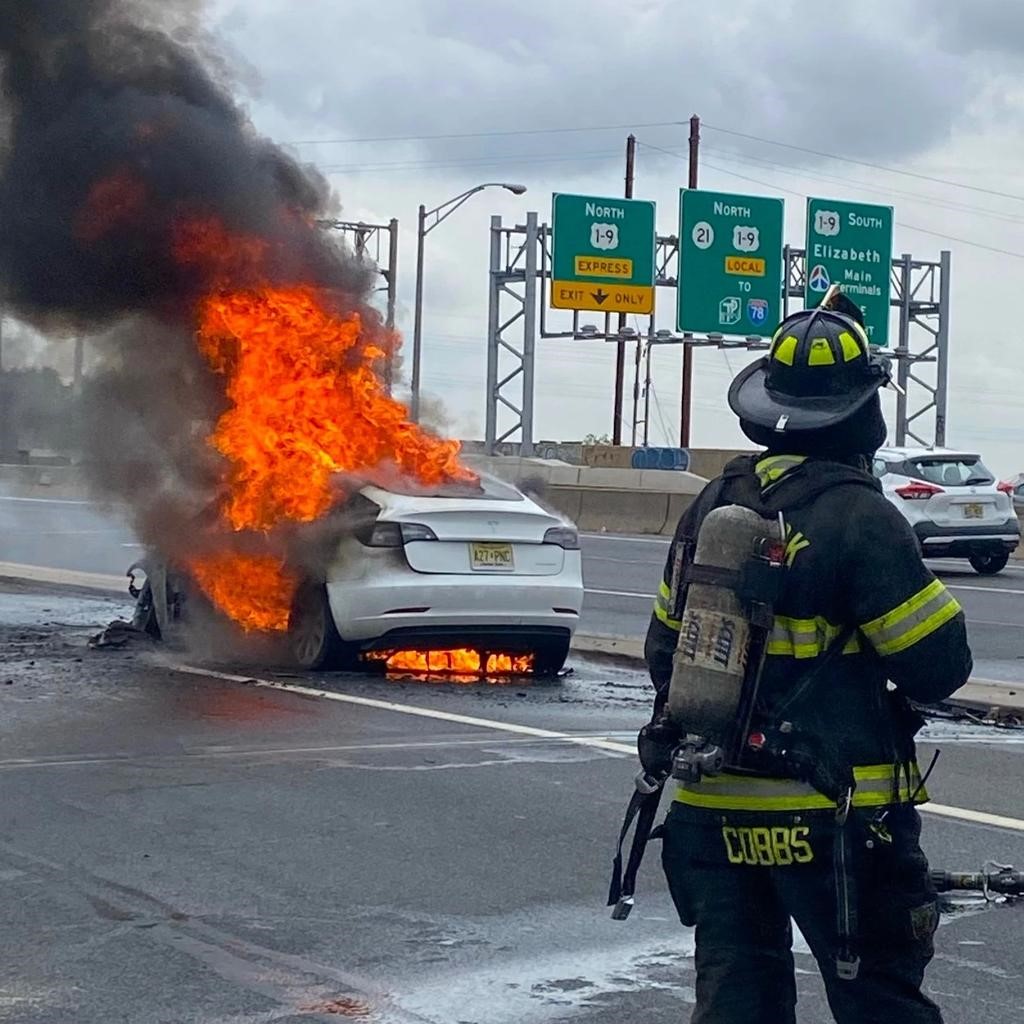
I was scrolling Reddit and X this morning and saw another viral clip of a car fire. The comments were exactly what you’d expect — panic, confusion, and people saying “EVs are dangerous.”
I get it. It looks intense.
But here’s the reality most headlines won’t tell you:
EV battery fires in 2026 are far less common than gasoline vehicle fires — and the data backs that up.
Quick Summary
- EV fires are far less common than gas car fires
- They burn hotter and last longer when they occur
- Most incidents are caused by external factors
- Proper charging setup dramatically reduces risk
What Causes EV Battery Fires in 2026?
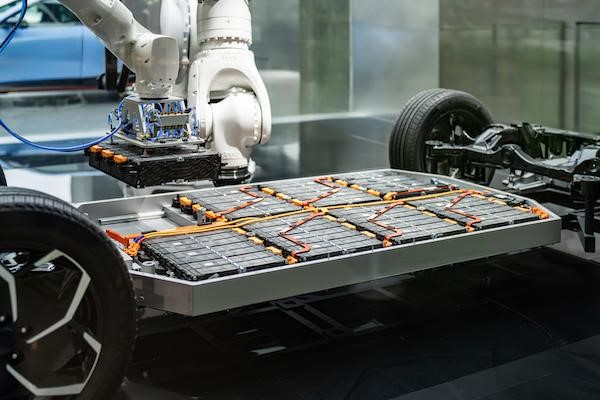
EV battery fires in 2026 are mainly caused by thermal runaway, typically triggered by crashes, faulty charging systems, overheating, or battery defects.
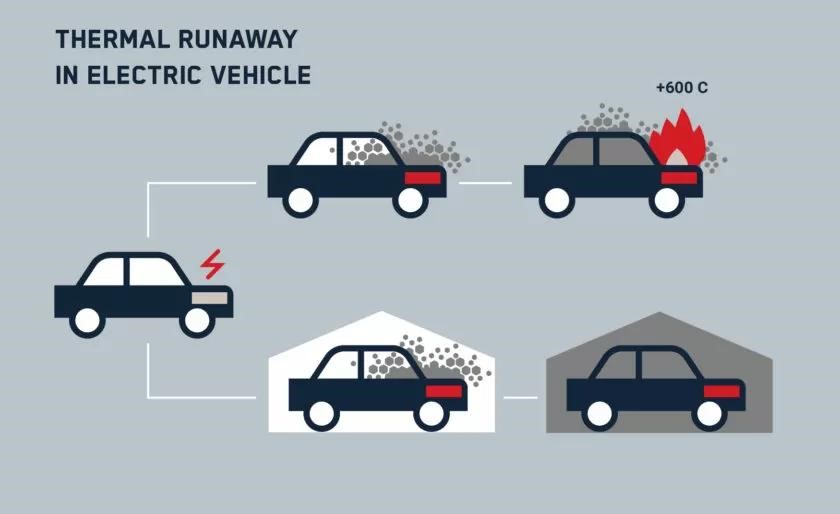
Understanding Thermal Runaway (Why EV Fires Are Different)
Thermal runaway is the core issue behind most EV fire incidents.
It happens when:
- A battery cell overheats
- Heat spreads to nearby cells
- The reaction feeds itself
Unlike gasoline fires, lithium-ion batteries generate their own oxygen and continue burning even without external fuel. That’s why EV fires burn hotter, last longer, and are harder to extinguish.
Important: Thermal runaway rarely happens randomly. It’s almost always triggered by damage, poor charging setups, or extreme conditions.
Are EV Battery Fires Actually Common in 2026?
Short answer: No — they’re rare.
Here’s the real comparison:
- Gas vehicles: ~1,500 fires per 100,000
- EVs: ~25 fires per 100,000
- Hybrids: ~3,400 per 100,000
According to National Fire Protection Association, gasoline vehicles still account for the majority of fire incidents.
What changed in 2026 isn’t risk — it’s visibility.
One EV fire goes viral. Thousands of gas fires don’t.
If you’re exploring the market, see this breakdown of the
best electric cars in the U.S. and UK for 2026.
Why EV Fires Feel More Dangerous
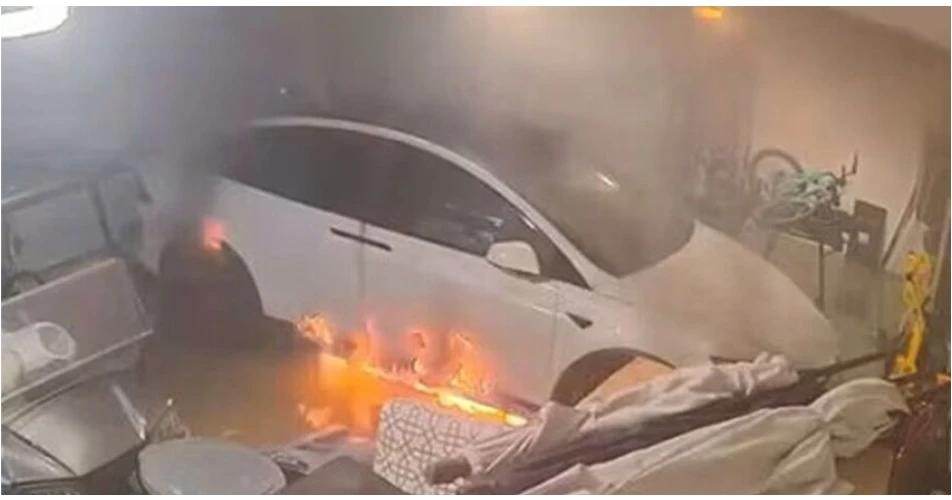
Even though EV fire risk in 2026 is low, the behavior of these fires is different:
- Higher burn temperatures
- Longer burn duration
- Risk of reignition
Fire departments in cities like Phoenix now use submersion methods (“quench tanks”) to fully extinguish EV fires.
According to National Highway Traffic Safety Administration, EV fires are more complex to manage — not more frequent.
The Most Common Triggers in 2026
Most electric vehicle battery fires are not random. They are triggered by specific conditions:
1. High-Impact Collisions
Severe crashes can damage battery packs and cause internal short circuits.
2. Faulty Charging Setups
One of the biggest real-world risks:
- Cheap or uncertified chargers
- Poor wiring
- Overloaded circuits
3. Extreme Heat Exposure
High temperatures stress battery systems and increase fire risk.
4. Water Damage (Saltwater)
Flooding can corrode battery components and cause delayed ignition.
5. Manufacturing Defects
Rare, but usually identified early through recalls and monitoring systems.
Why Hybrids Are Quietly Riskier
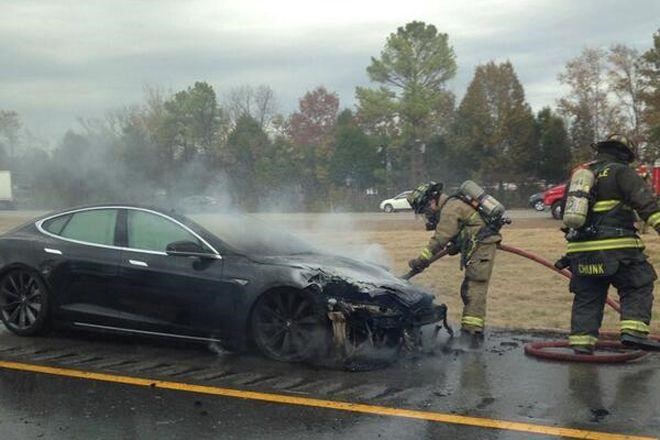
Hybrids combine battery systems with fuel engines, increasing complexity and potential failure points.
That’s why hybrids currently show higher fire rates than both EVs and gas cars.
For a deeper look at this shift, see:
EV demand slowdown vs hybrid boom
Are EV Fires a Real Risk at Home?
For most drivers, this is the real concern.
If your EV charges in your garage, risk depends on setup — not the vehicle itself.
Common Mistakes
- Using extension cords
- Outdated electrical systems
- Cheap charging equipment
- Poor ventilation
Most home-related EV fire incidents are preventable.
What Should You Do to Stay Safe?
1. Install a Proper Charging Setup
- Use a licensed electrician
- Install a dedicated circuit
- Use certified equipment
2. Avoid Charging in Extreme Heat
Charge during cooler hours to reduce stress on the battery.
3. Watch for Warning Signs
- Overheating alerts
- Charging interruptions
- Chemical or burning smells
4. Be Careful After Accidents
Even minor damage can affect battery safety. Keep the vehicle outside until inspected.
5. Stay Updated
Install software updates and monitor recalls.
Long-Term Battery Safety in 2026
Battery technology continues to improve:
- Lifespan: 8–15 years
- LFP batteries offer higher thermal stability
- Modern systems isolate damaged cells
According to AAA, driver behavior still plays a major role in safety outcomes.
The Hidden Cost Factor
Even though EV fires are rare, the financial impact can be significant:
- Battery replacement: $10,000–$16,000+
- Insurance premiums: 15–25% higher
For a full breakdown, see:
electric car hidden costs USA 2026
EV Battery Fires 2026
- EV battery fires in 2026 are rare
- They are more intense when they occur
- Most are preventable
EVs aren’t the problem. Behavior is.
Final Reality Check
Viral videos don’t define reality.
Data does.
And the data shows:
- EV battery fires in 2026 are not widespread
- Misuse and lack of awareness are the real issues
If you’re considering switching, start here:
Best EVs in 2026
FAQs
What causes EV battery fires?
EV battery fires are mainly caused by thermal runaway, triggered by crashes, faulty charging systems, overheating, or battery defects.
Are EV battery fires more dangerous than gas car fires?
They are less common but burn hotter, last longer, and are harder to extinguish.
How common are EV battery fires?
EV battery fires are rare and occur far less frequently than gasoline vehicle fires.
Can EV batteries catch fire while charging?
Yes, but usually due to poor wiring, faulty chargers, or overheating — not randomly.
Are EVs safe for home charging?
Yes, as long as proper electrical setups and certified chargers are used.
Do EV batteries become dangerous over time?
Most risks come from external factors like damage or misuse, not natural aging.