
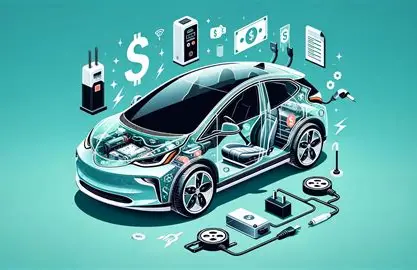
Electric cars are supposed to save you money.
That’s the whole pitch.
No gas. Lower maintenance. Government incentives. Sounds like a smart financial move.
But here’s what most people don’t realize until after they buy one.
The electric car hidden costs start showing up later.
And by then, you’re already locked in.
If you’re planning to buy an EV in 2026, you need to see the full picture, not just the marketing.
The Promise vs Reality of EV Ownership
Electric vehicles are often marketed as cheaper to run than gas cars.
And yes, in some cases, that’s true.
You save on fuel. You may qualify for tax credits. Maintenance can be lower in certain areas.
But ownership is not just about fuel savings.
It’s about total cost.
And when you look at the full breakdown, the story changes.
If you’re comparing options, you should also check this guide on best affordable cars for U.S. first-time buyers to see how EVs stack up against traditional choices.
Electric Car Hidden Costs You Need to Know
This is where things get real.
Most of these costs are not obvious when you’re buying the car.
Battery Replacement Is Not Cheap
The battery is the heart of an electric vehicle.
And it’s expensive.
Depending on the model, replacing an EV battery can cost anywhere from $5,000 to over $15,000, according to this EV battery cost analysis.
Now, most batteries last 8 to 15 years, so you may not face this immediately.
But it affects resale value and long term ownership cost.
This is one of the biggest electric car hidden costs people ignore when buying.
Charging Costs Are Not Always Low
People assume charging is always cheaper than gas.
That’s not always true.
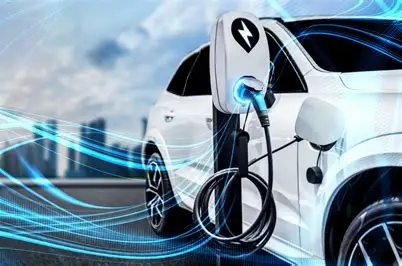
Home charging is usually affordable, but public fast charging can be expensive.
According to this EV charging cost report, the average cost to fully charge an EV varies widely depending on electricity rates and charging type.
If you rely on public charging regularly, your savings shrink fast.
That’s where electric car hidden costs begin to show up clearly.
Home Charger Installation Adds Up
If you want convenience, you will install a Level 2 home charger.
That is not free.
Installation can cost anywhere from $500 to $2,000, based on this home charger installation guide.
If your electrical panel needs an upgrade, costs can go even higher.
This is one of the most underestimated electric car hidden costs.
Insurance Is Often Higher
EVs are not cheap to insure.
In many cases, insurance premiums are higher than gas vehicles.
Why?
- Higher repair costs
- Expensive battery components
- Limited repair networks
According to this auto insurance analysis, EV insurance can be noticeably higher depending on the model.
Repairs Can Be Expensive
Yes, EVs have fewer moving parts.
But when something goes wrong, it’s not always cheap.
Specialized parts and limited service centers increase repair costs.
Labor is also more specialized.
All of this adds to long term electric car hidden costs.
Depreciation Is a Real Issue
EV technology is evolving fast.
That sounds good, but it creates a problem.
Older models lose value quickly.
According to this EV depreciation report, some electric vehicles depreciate faster than traditional cars.
That is another major electric car hidden costs factor buyers overlook.
The Truth About Savings
Let’s be clear.
Electric cars do save money in certain areas.
You spend less on fuel.
Routine maintenance like oil changes is eliminated.
But savings are not guaranteed.
If you rely on public charging, pay higher insurance, and factor in depreciation, your total cost may not be as low as expected.
If you want a deeper comparison, check this breakdown of gas vs electric motors cost 2026.
A Real World Cost Example
Let’s simplify this.
Electric Vehicle Monthly Costs
- Charging: $60 to $120
- Insurance: $150 to $250
- Maintenance and repairs: variable
- Depreciation impact: significant over time
Gas Vehicle Monthly Costs
- Fuel: $150 to $250
- Insurance: $120 to $200
- Maintenance: higher but predictable
At first glance, EV looks cheaper.
But once you include hidden factors, the gap is not as big as people think.
That gap is where electric car hidden costs quietly sit.
Why Electric Car Hidden Costs Are Increasing in 2026
This is not a temporary issue.
It is part of how the EV market is evolving.
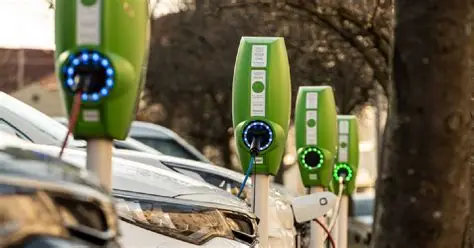
- Charging networks are expanding but still uneven
- Electricity prices vary by region
- Insurance companies are adjusting pricing
- Technology changes are affecting resale value
All of this is pushing electric car hidden costs higher in 2026.
Who Should Actually Buy an EV in 2026
EVs are not bad.
They are just not for everyone.
Good fit:
- You have access to home charging
- You drive daily but not extremely long distances
- You plan to keep the car long term
Not ideal:
- You rely heavily on public charging
- You want the lowest overall cost
- You switch cars frequently
If you fall into the second category, those electric car hidden costs will hit harder.
What You Should Do Before Buying
Do not just look at the sticker price.
Do this instead:
- Calculate your charging method and cost
- Check insurance rates before buying
- Understand installation costs
- Look at resale trends
Skipping this step is how electric car hidden costs turn into a financial surprise.
Final Thought
Electric cars are not a scam.
But they are not as simple as they are marketed.
Once you understand electric car hidden costs, you start seeing the full picture.
And ignoring electric car hidden costs can turn a smart purchase into an expensive mistake.
FAQs
What are electric car hidden costs?
Electric car hidden costs include expenses beyond the purchase price such as charging, home charger installation, insurance, battery replacement, and depreciation.
Is owning an electric car cheaper in the U.S. in 2026?
Electric cars can be cheaper in fuel and maintenance, but total ownership costs depend on charging habits, insurance rates, and long term depreciation.
How much does it cost to charge an electric car in the U.S.?
Charging costs vary by location and method. Home charging is usually cheaper, while public fast charging can significantly increase monthly expenses.
How expensive is EV battery replacement?
EV battery replacement can cost between $5,000 and $15,000 depending on the model and battery size.
Why is EV insurance more expensive?
EV insurance is often higher due to expensive parts, battery repair costs, and limited repair networks.
Are electric cars worth it in 2026?
Electric cars are worth it for drivers with home charging and consistent usage, but may not be ideal for those relying heavily on public charging.
1 thought on “Thinking of Buying an EV? These Hidden Costs in the U.S. 2026 Might Surprise You”