
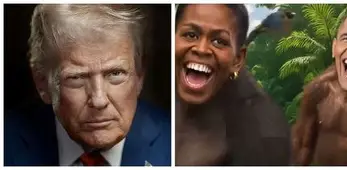
Let’s stop pretending.
The Trump Obama racist video wasn’t some “oops” moment.
It wasn’t misunderstood.
And it definitely wasn’t innocent.
When Donald Trump shared a clip showing Barack Obama and Michelle Obama using monkey-style imagery, people knew exactly what it meant.
And so did he.
Yet once again, we were told to “relax.”
No.
Let’s talk about it properly.
What Was in the Trump Obama Racist Video?
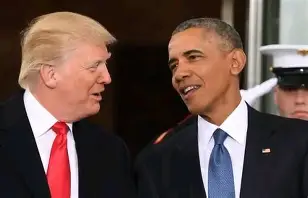
The video, shared on Trump’s social media account, included AI-generated visuals that briefly portrayed the Obamas using imagery long linked to racist stereotypes.
According to AP News, the clip spread rapidly before being flagged by journalists and civil rights groups.
Meanwhile, The Guardian reported that the post triggered immediate backlash from politicians, activists, and public figures.
This wasn’t a harmless meme.
It was political messaging — wrapped in “humor.”
This Wasn’t “Just a Meme”
Every time something like this happens, the excuses are predictable:
“It’s just satire.”
“You’re too sensitive.”
“People are overreacting.”
No.
When millions of people react negatively, it’s not because they suddenly lost their sense of humor.
It’s because something crossed a line.
You don’t accidentally use imagery that has been offensive for decades.
That’s not ignorance.
That’s choice.
Why “Monkey” Imagery Is So Offensive
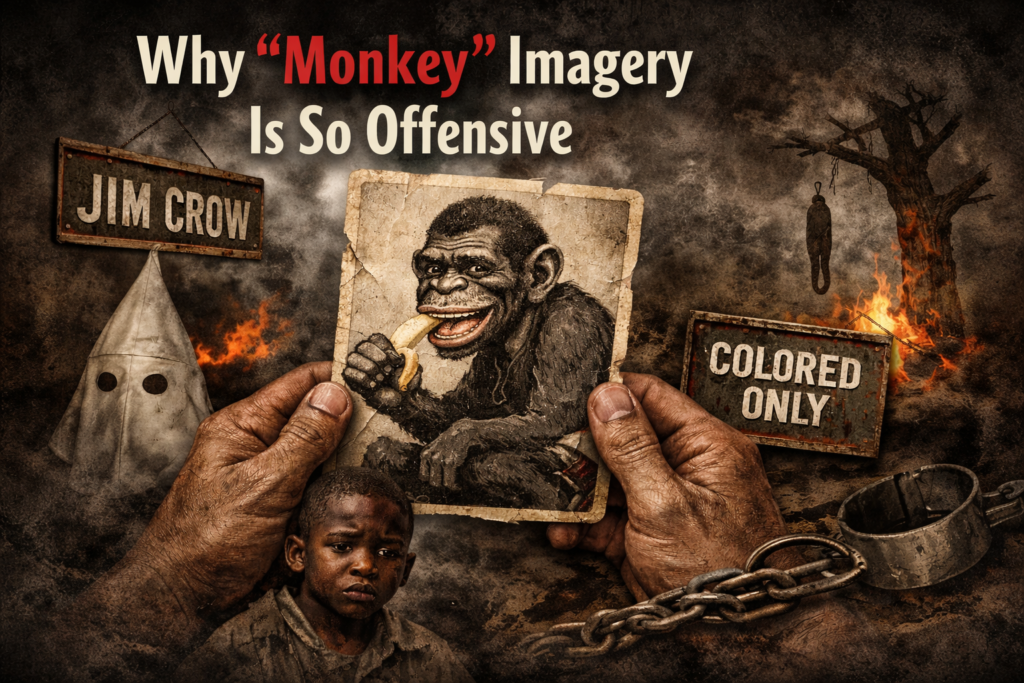
If you’re wondering why people are angry, here’s the context.
For generations in America, comparing Black people to animals was used to:
- Dehumanize communities
- Justify segregation
- Promote racist ideology
- Encourage discrimination
This wasn’t random.
It was systematic.
As explained by BBC News, this imagery is directly connected to America’s racist past and continues to cause harm today.
So no — it’s not “old history.”
It’s still real.
So Why Did Trump Post It Anyway?
Here’s the uncomfortable truth:
Because outrage works.
Trump’s political brand thrives on:
- Provoking reactions
- Dominating headlines
- Controlling media cycles
- Playing the victim later
And it works.
According to Reuters, controversial posts consistently boost Trump’s online engagement, even when they spark criticism.
Attention = influence.
And Trump understands that better than most politicians.
This Isn’t New Behavior
Let’s not act surprised.
Trump has faced similar backlash many times before.
From birther conspiracy theories to racially charged statements, controversy has followed him for years.
More recently, he was criticized by Hollywood figures like Rob Reiner, who openly questioned his conduct and leadership.
The episode, covered in Trump Under Fire After Rob Reiner Backlash, showed the same pattern:
Pressure → Controversy → Chaos → Headlines.
Repeat.
Political and Public Reaction
After the Trump Obama racist video went viral:
- Democratic leaders condemned it
- Civil rights groups demanded accountability
- Some Republicans distanced themselves
According to The New York Times, analysts warned that such incidents deepen racial and political divisions ahead of elections.
But Trump did not issue a clear apology.
Instead, supporters defended the post as “free speech” and “political humor.”
The Role of AI and Fake Content
One dangerous aspect of this controversy is the role of artificial intelligence.
AI-generated videos can now:
- Manipulate real faces
- Spread misinformation
- Amplify hate
- Blur reality
This makes political propaganda harder to detect and easier to spread.
When powerful figures use AI content irresponsibly, the consequences are serious.
This isn’t just about one post.
It’s about the future of political communication.
Why This Matters Beyond Politics
This story isn’t just “Trump drama.”
It affects:
- Race relations in America
- Trust in public leaders
- Responsible use of technology
- Social media ethics
- Democratic values
When leaders normalize offensive content, it shapes how millions of people behave online and offline.
That impact is real.
My Honest Verdict
Call me biased.
Call me blunt.
I don’t care.
The Trump Obama racist video wasn’t:
- A mistake
- A joke
- An accident
It was a decision.
A decision to use harmful stereotypes for attention.
And that says more about the person who posted it than anyone who criticized it.
You can support Trump’s policies.
You can agree with his politics.
You can vote for him.
But defending this?
That’s weak.
Key Takeaways
Let’s summarize this clearly:
- The video used historically racist imagery
- Public outrage was justified
- This fits a long pattern of controversy
- AI is making political manipulation easier
- Leaders must be held accountable
This isn’t about cancel culture.
It’s about basic responsibility.
Why This Story Will Not Go Away
Incidents like this don’t disappear overnight.
They resurface during:
- Campaign seasons
- Debates
- Policy discussions
- Election coverage
This controversy will likely follow Trump for months — maybe years.
And it should.
Because voters deserve transparency.
Why You Should Care
Even if you’re not American.
Even if you don’t follow U.S. politics.
This matters because it shows how easily power can be abused in the digital age.
If people stop questioning this behavior, it becomes normal.
And that’s dangerous everywhere.
Final Word
This wasn’t about humor.
This wasn’t about memes.
This wasn’t about free speech.
It was about crossing a moral line — for clicks.
And millions of people saw it.
FAQs
What is the Trump Obama racist video?
It refers to a viral clip shared by Donald Trump that used offensive imagery involving Barack and Michelle Obama, triggering widespread backlash.
Why is the imagery considered racist?
Because comparing Black people to primates has been used historically to dehumanize and discriminate against them.
Did Trump apologize?
As of now, Trump has not issued a clear public apology.
Where was the video posted?
The video was shared on Trump’s social media platform before spreading to other networks.
Is this affecting Trump politically?
Yes. Critics say it damages his credibility, while supporters continue to defend him.
Why is AI important in this case?
Because AI-generated videos can spread misleading and harmful content faster than traditional media.
Has Trump faced similar controversies before?
Yes. Trump has repeatedly faced criticism over racially sensitive statements and actions.
1 thought on “Why the ‘Monkey’ Imagery in Trump’s Video Is Being Called Racist”