
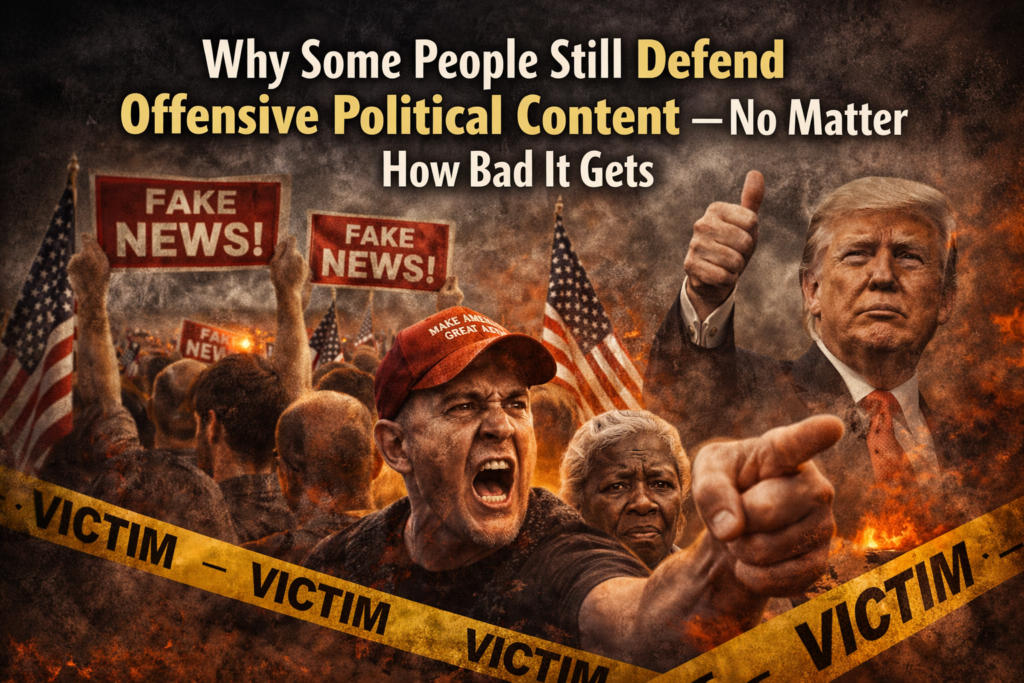
Let’s be honest.
After writing about the Trump Obama racist video, I expected backlash.
What I didn’t expect was how many people rushed in to defend it.
Not question it.
Not reflect on it.
Not even hesitate.
Just defend.
“Out of context.”
“You’re too sensitive.”
“It’s fake.”
“Media is lying.”
Every. Single. Time.
And if you read my earlier breakdown — Why the ‘Monkey’ Imagery in Trump’s Video Is Being Called Racist — you already know how serious that controversy was.
So the real question is:
Why do so many people still defend offensive political content, no matter how bad it gets?
When Politics Becomes Your Identity
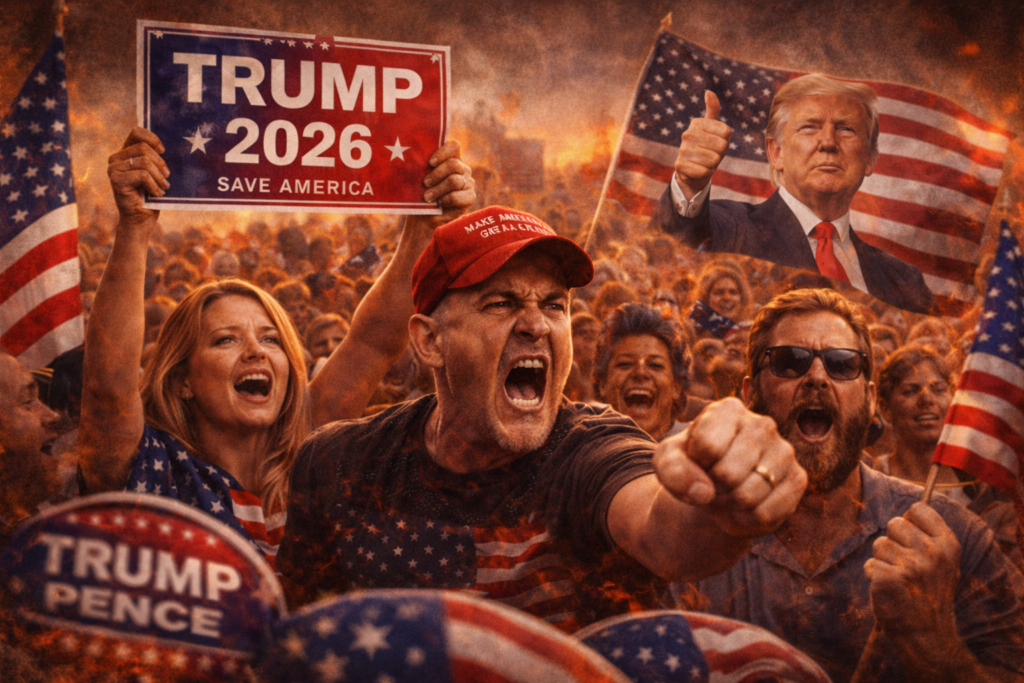
Here’s the first problem.
For many people, politics isn’t just something they follow.
It becomes who they are.
Their leader becomes:
- Their pride
- Their community
- Their personality
- Their “side”
So when someone criticizes that leader, it feels personal.
That’s why supporters of Donald Trump often react emotionally when controversies happen.
It’s no longer about facts.
It’s about self-defense.
And once emotions take over, logic disappears.
Social Media Is Trapping People in Bubbles
Let’s talk about algorithms.
Social media doesn’t show you “the full picture.”
It shows you what keeps you scrolling.
If you engage with political content from one side, platforms push more of the same. Slowly, your feed becomes an echo chamber.
According to BBC News, online platforms have played a major role in deepening political polarization.
You stop seeing opposing views.
You stop questioning your beliefs.
You stop doubting anything.
So when offensive content appears, it doesn’t feel shocking anymore.
It feels “normal.”
That’s dangerous.
Admitting You’re Wrong Hurts Too Much
This part is psychological.
Imagine supporting someone for years.
Defending them.
Posting about them.
Arguing with friends over them.
Now imagine realizing:
“I was wrong.”
That hurts.
It damages pride.
It damages ego.
It damages self-image.
So instead of accepting it, people do something easier:
They justify the mistake.
They excuse it.
They defend it.
They rewrite reality.
Because protecting your ego is easier than facing the truth.
Politics Has Turned Into a Team Sport
Modern politics now looks like football.
My team vs your team.
Win at any cost.
No accountability.
If my side messes up? I’ll defend it.
If your side does the same? I’ll attack it.
Same behavior.
Different reaction.
That’s not values.
That’s blind loyalty.
And blind loyalty is exactly how offensive content survives.
The “Victim” Story Works Every Time
Another powerful tactic leaders use:
They convince supporters they are under attack.
“The media hates us.”
“They’re targeting you.”
“They want to silence us.”
So when criticism comes, supporters don’t see accountability.
They see persecution.
As reported by Reuters, this “us vs them” narrative has become a key feature of modern political messaging.
And once people feel threatened, they’ll defend almost anything.
How This Played Out in the Trump–Obama Controversy
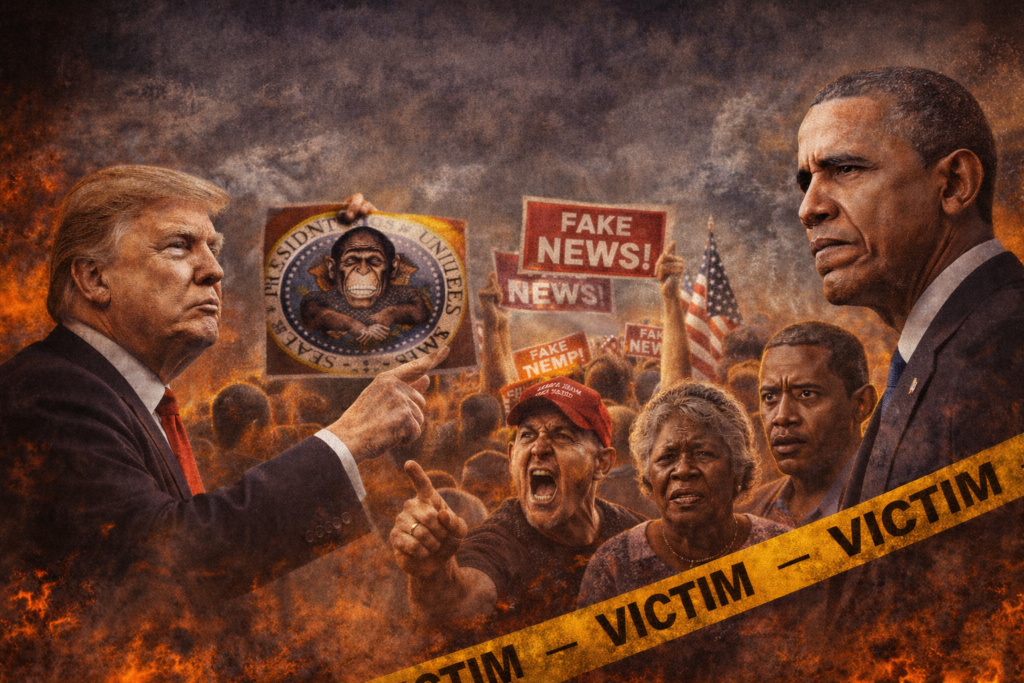
Let’s connect this to the earlier story.
When Trump shared imagery that many people found racist, reactions followed the same pattern:
Some were angry.
Some were hurt.
Some were disappointed.
And some defended it instantly.
No pause.
No reflection.
No empathy.
Just defense.
That’s exactly what blind political loyalty looks like in real life.
Why This Is So Dangerous
Defending offensive political content isn’t harmless.
It causes real damage.
It:
- Normalizes disrespect
- Weakens accountability
- Encourages worse behavior
- Lowers public standards
- Kills honest debate
According to AP News, political misinformation and inflammatory content are becoming harder to control because supporters often amplify it themselves.
When leaders know they’ll be protected no matter what, they stop caring about consequences.
And society pays the price.
This Happens on All Sides
Let’s be clear.
This isn’t only about Trump supporters.
Every political group has people who defend bad behavior when it comes from “their side.”
Left.
Right.
Center.
If you think your group is immune, you’re fooling yourself.
This is a human problem — not a party problem.
How People Can Break Out of This Mindset
It’s hard, but it’s possible.
It starts with:
- Being willing to say “I was wrong”
- Listening to opposing views
- Separating leaders from identity
- Valuing truth over loyalty
Strong people question themselves.
Weak people double down.
My Honest Opinion
I’ll say this directly.
Defending offensive political content doesn’t make you loyal.
It makes you controlled.
You can support a leader and still criticize them.
You can agree with policies and reject bad behavior.
That’s maturity.
Blind defense isn’t strength.
It’s insecurity.
Why This Matters More Than Ever
With AI videos, deepfakes, and viral misinformation, offensive content is only going to grow.
Faster.
Bigger.
Harder to verify.
If people keep defending everything from “their side,” things will only get worse.
That’s why this conversation matters.
Silence helps no one.
Final Word
People defend offensive political content because:
- It protects their identity
- It feeds their ego
- It fits their bubble
- It feels safer than change
But safety built on lies never lasts.
Sooner or later, reality catches up.
And only honest thinkers survive.
FAQs
Why do people defend offensive political content?
Many people defend offensive political content because they emotionally connect their identity to political leaders. Criticizing the leader feels like a personal attack, so they react defensively.
Does social media increase blind political loyalty?
Yes. Social media algorithms often show users only content they agree with, which creates echo chambers and makes people less open to different viewpoints.
Is this problem limited to one political party?
No. Blind loyalty exists across all political sides. Every group has supporters who excuse bad behavior when it comes from “their side.”
Why is it hard for people to admit they were wrong politically?
Because admitting mistakes hurts ego and self-image. Many people prefer to defend bad behavior rather than accept that they supported the wrong actions.
How does defending offensive content harm society?
It normalizes disrespect, weakens accountability, and encourages leaders to behave without fear of consequences.
Can people change this mindset?
Yes, but only if they are willing to question their beliefs, listen to opposing views, and separate their identity from political leaders.
Is defending offensive content the same as free speech?
No. Free speech allows expression, but blindly defending harmful content removes responsibility and accountability.