
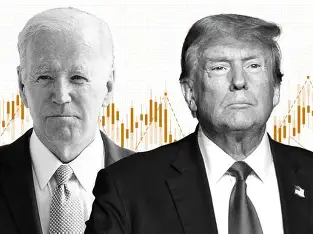
Most people think politics only matters during elections. That’s wrong. Policies are already shifting in 2026, and if you are not paying attention, you are missing changes that directly affect your money, job, and daily life.
Trump vs Biden 2026 is not just a political argument. It is a real difference in how the country is being run right now. And no, both sides are not the same. The gap is obvious if you actually look at policies instead of headlines.
Let’s break it down clearly without the usual noise.
Quick Snapshot
- Economic strategy is split between government spending and business driven growth
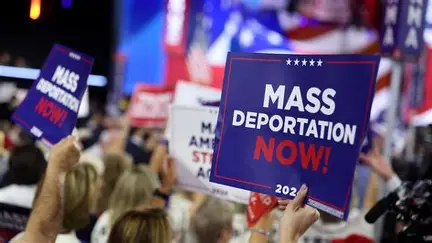
- Immigration policies differ heavily on enforcement and border control
- Tax approaches impact both individuals and corporations differently
- Policy changes in 2026 are already shaping real outcomes
Economic Policies
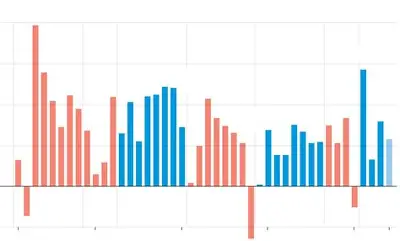
This is where things get real because this is what hits your wallet first.
The current approach under Biden focuses on government spending, infrastructure investment, and support programs. The idea is simple. Spend more to stabilize growth and support households. You can see this reflected in the official White House economic agenda at White House economic agenda.
Trump’s approach leans toward reducing regulations and pushing business expansion. Lower taxes, fewer restrictions, and letting companies grow faster.
Here is what most people ignore.
- Government spending can boost demand but also increases debt pressure
- Business first policies can drive jobs but may widen income gaps
So the real question is not which one sounds better. It is which system works better for your situation.
Immigration Policies
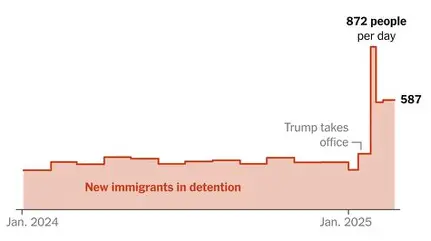
This is easily one of the most divided areas right now.
Biden’s approach focuses on controlled immigration with humanitarian considerations. There is an effort to balance border security with asylum processing and legal pathways. Current frameworks can be reviewed at US Department of Homeland Security.
Trump’s approach is much stricter. Strong border enforcement, tighter asylum rules, and reduced immigration levels overall. The focus is control first.
Let’s be blunt.
- One side treats immigration as both economic and humanitarian
- The other treats it primarily as a security issue
Your view depends entirely on what you think matters more.
Tax Policies
This is where people suddenly start paying attention.
Biden’s tax direction generally targets higher earners and corporations. The goal is to increase revenue and fund public programs.
Trump’s tax strategy focuses on lowering taxes, especially for businesses, with the idea that it drives investment and job growth.
For updated structures and rules, you can check Internal Revenue Service.
Here is the reality most people avoid.
- Lower taxes feel good now but reduce government revenue
- Higher taxes support programs but people feel the hit immediately
There is no perfect option here. Every choice comes with trade offs.
Student Loans and Education
This is where policies hit individuals directly.
Under Biden, student loan relief and income driven repayment plans have been pushed heavily. Programs like SAVE are designed to reduce monthly payments and offer long term forgiveness.
Trump’s stance has historically been less focused on forgiveness and more on reducing federal involvement in education.
So again, it comes down to approach.
- Relief and structured support
- System level reduction and control
If you already have loans, the difference is not theoretical. It affects you right now.
Climate and Energy Policies
Another major split that affects long term costs.
Biden’s policies lean toward clean energy, environmental regulation, and reducing emissions. This includes investment in renewable energy and stricter rules for traditional energy sectors. You can explore policy direction at US Environmental Protection Agency.
Trump’s approach focuses on energy independence through oil and gas with fewer environmental restrictions.
Here is the trade off.
- Clean energy focuses on long term sustainability but may raise short term costs
- Traditional energy keeps costs lower now but raises future concerns
There is no middle ground here. You pick your priority.
What’s Already Changing in 2026
This is not theory. These shifts are already happening.
- Adjustments in student loan repayment systems
- Ongoing tax policy debates
- Immigration enforcement differences depending on direction
- Energy policy impact on fuel and electricity costs
Most people only notice these changes when their expenses increase.
Who Benefits the Most?
Let’s simplify what people actually care about.
- Middle class depends on tax balance and inflation control
- Businesses benefit more from deregulation and lower taxes
- Students gain more from repayment relief programs
- Immigrants are directly impacted by enforcement policies
This is why the debate never settles. Different groups win under different systems.
What Happens Next?
Do not expect instant dramatic shifts.
Policy changes in the US move slowly but shape long term outcomes.
What you will likely see.
- Continued push between spending and tax control
- Ongoing immigration debates with no quick resolution
- Gradual shifts in energy policy
If you are waiting for a clear winner, that is not how this works.
Final Thoughts
Trump vs Biden 2026 is not about speeches or headlines. It is about real policies that affect real lives.
One approach leans toward government support and regulation. The other leans toward market freedom and reduced intervention.
Neither is perfect. Both come with trade offs.
So instead of picking sides blindly, understand what actually affects you. Because policy is not abstract. It is personal.
FAQs
What is the main difference between Trump and Biden policies in 2026?
The main difference is approach. Biden focuses more on government spending and regulation, while Trump emphasizes lower taxes, deregulation, and business growth.
How do Trump and Biden differ on the economy?
Biden supports government led economic support and infrastructure spending, while Trump focuses on reducing taxes and encouraging private sector growth.
What are the immigration policy differences in 2026?
Biden supports controlled immigration with legal pathways, while Trump focuses on stricter border enforcement and reduced immigration levels.
Who benefits more from Trump vs Biden tax policies?
Higher earners and businesses may benefit more from Trump’s lower tax approach, while middle and lower income groups may benefit more from public spending programs.
Are US policies already changing in 2026?
Yes, changes in taxes, student loans, immigration enforcement, and energy policies are already happening and affecting daily life.
2 thoughts on “Trump vs Biden Policies 2026: Economy, Immigration & Taxes Compared”