
The phrase “weapon of mass destruction” is usually reserved for nuclear bombs, chemical attacks, and threats that justify war-level responses.
So when President Donald Trump used that exact language to describe fentanyl, it wasn’t just dramatic rhetoric.
It was a warning shot.
A signal that the U.S. government may be preparing to treat the fentanyl crisis not as a public health emergency — but as a national security threat.
And that shift could quietly reshape how law enforcement, courts, and federal authority operate inside the United States.
What Trump Actually Did — And Why This Isn’t Just Symbolic

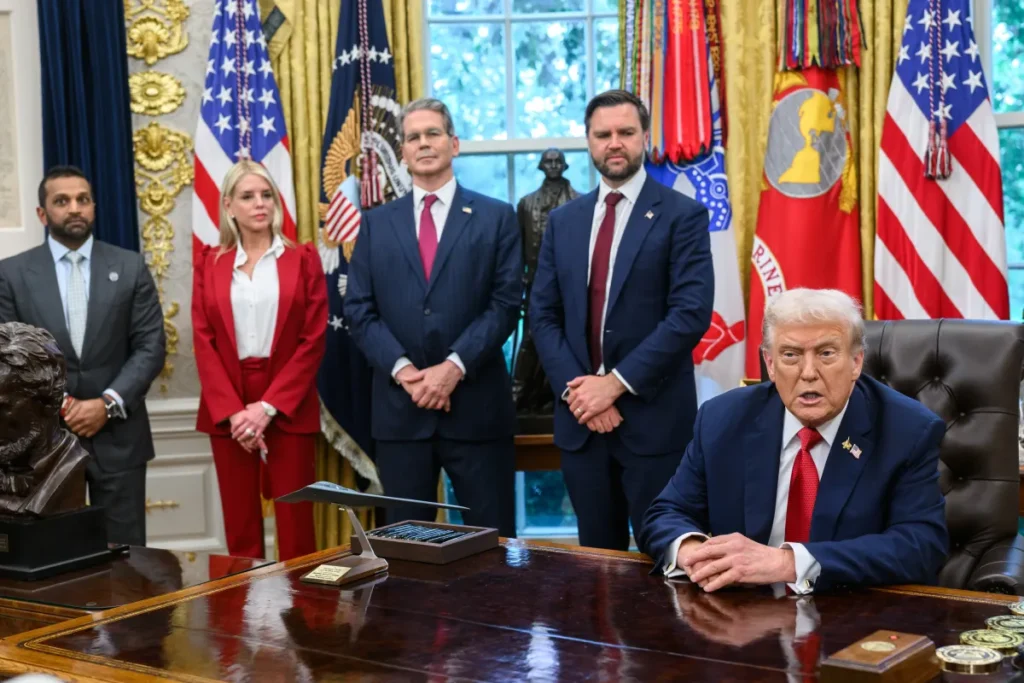
Trump signed an executive order officially classifying fentanyl as a weapon of mass destruction, framing the drug as an existential danger responsible for tens of thousands of American deaths each year.
According to the official White House fact sheet, the order directs federal agencies to escalate coordination, enforcement, and financial crackdowns against fentanyl trafficking networks.
On paper, this may look symbolic.
In reality, language matters in law.
Once something is treated as a WMD-level threat, it can justify:
- Expanded federal involvement
- More aggressive enforcement strategies
- Broader interagency powers
- National security framing instead of public health responses
This isn’t just about drugs anymore.
It’s about how far federal authority can stretch when a crisis is framed as warfare.
Why Supporters Say This Move Was Long Overdue
Trump supporters argue the government has spent years understating the scale of the fentanyl crisis.
Their logic is blunt:
- Fentanyl kills more Americans annually than many armed conflicts
- Traditional drug policies haven’t worked
- Extreme harm demands extreme responses
From this perspective, calling fentanyl a weapon of mass destruction isn’t exaggeration — it’s honesty.
A way to finally force agencies to act with urgency instead of bureaucracy.
To them, this move represents strength, not overreach.
Why Critics Are Alarmed — And Why This Time It’s Different
Civil liberties groups and legal analysts aren’t questioning the danger of fentanyl.
They’re questioning the precedent.
Labeling a substance as a WMD risks blurring critical lines:
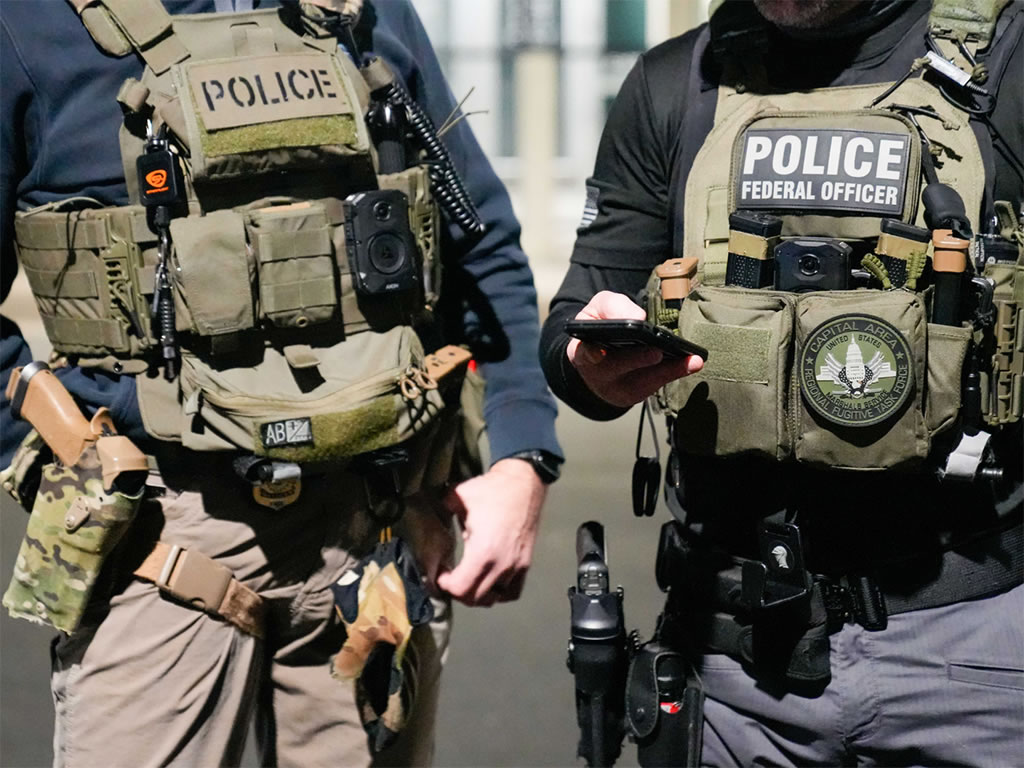
- Policing vs militarization
- Criminal justice vs national security
- Treatment vs punishment
Legal experts warn that this kind of language can open the door to enforcement tactics that expand federal power with limited oversight. These concerns have already surfaced in real-world conflicts, such as California’s legal battle against federal troop deployments, where states pushed back against what they saw as federal overreach.
Once national security logic enters domestic law enforcement, rolling it back is rarely easy.
Trump Sparks Outrage Again — But This Time It’s Tied to Power
The fentanyl declaration didn’t land in isolation.
It came amid fresh backlash over Trump’s recent remarks and policy positioning, reinforcing a familiar pattern: bold language, maximum reaction, and constant controversy.
Critics argue this mirrors earlier headline-grabbing initiatives, including debates around the Trump Gold Card proposal, which raised questions about credibility, intent, and executive authority.
Supporters see disruption.
Opponents see chaos.
What’s different now is that the outrage isn’t just cultural — it’s tied directly to law enforcement power and constitutional limits.
What Happens Next?
The executive order doesn’t automatically rewrite U.S. law overnight.
But it reshapes priorities.
The real impact will depend on:
- How federal agencies interpret the WMD designation
- Whether courts challenge or uphold expanded authority
- If Congress steps in to define boundaries
Legal analysts have already warned that the wording of the order could have far-reaching implications for enforcement and civil liberties — a concern explored in detail by Lawfare Media, which notes how national security framing can dramatically alter prosecutorial and investigative behavior.
The biggest unanswered question remains simple:
Will this reduce fentanyl deaths — or just expand the reach of the federal government?
The Bigger Picture
This move fits into a broader trend in American politics:
- Crises framed as wars
- War language used to justify power expansion
- Emergency measures that quietly become permanent
Whether Trump’s fentanyl declaration becomes a turning point or a cautionary tale will depend less on the rhetoric — and more on how far institutions allow that rhetoric to go.
For now, one thing is clear:
The war on fentanyl has officially crossed into national security territory.
And once that line is crossed, there’s rarely a clean way back.
FAQs
Why did Trump call fentanyl a weapon of mass destruction?
Trump argues fentanyl is responsible for tens of thousands of deaths and should be treated as a national security threat, not just a drug issue.
Does calling fentanyl a weapon of mass destruction change the law?
The designation itself doesn’t rewrite laws instantly, but it can expand enforcement authority and influence how agencies and courts respond.
Could this lead to military involvement in drug enforcement?
While the order doesn’t explicitly authorize military action, critics warn that national security framing could justify more aggressive federal tactics.
Is fentanyl legally considered a weapon of mass destruction?
The executive order applies WMD-style language and framework, but its legal interpretation will depend on how agencies and courts enforce it.