
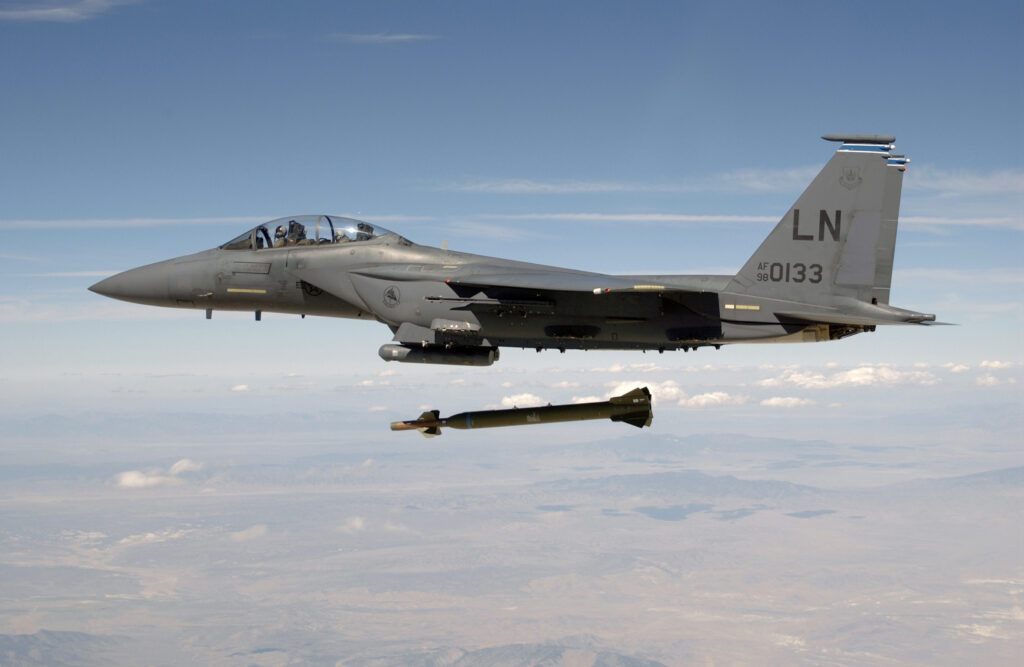
U.S. military strikes that reportedly killed dozens of people are now facing intense international scrutiny, with human rights groups and global observers raising war crime allegations. As casualty numbers continue to change and official statements remain cautious, one thing is clear: this story isn’t going away quietly.
This isn’t just about a military operation anymore.
It’s about who gets believed, who gets buried, and who is ever held accountable.
What Happened in the U.S. Military Strikes
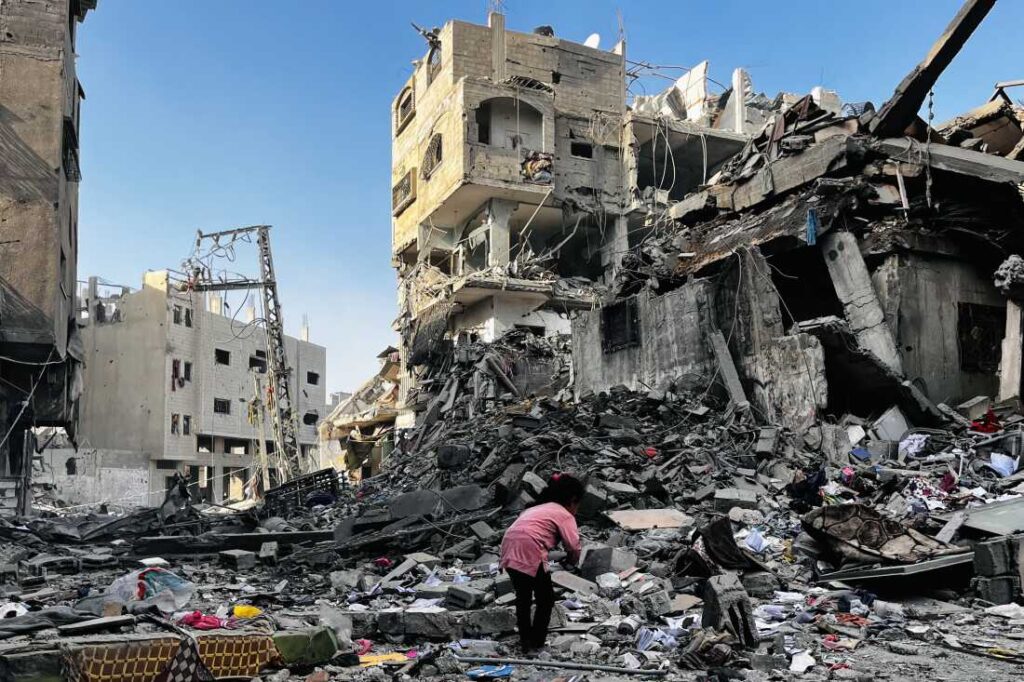
According to early reports from local authorities and humanitarian organizations, U.S. military strikes targeting suspected militant positions resulted in heavy civilian casualties. Estimates range from dozens to nearly 100 deaths, though exact figures are still disputed.
The U.S. military has confirmed carrying out the strikes, saying they were aimed at legitimate targets and carried out using precision-guided weapons. Similar situations — where official accounts and ground reports don’t fully align — have been widely covered by Reuters in past conflicts.
“In modern wars, casualty numbers are often argued over before they are fully understood.”
Why War Crime Allegations Are Being Raised
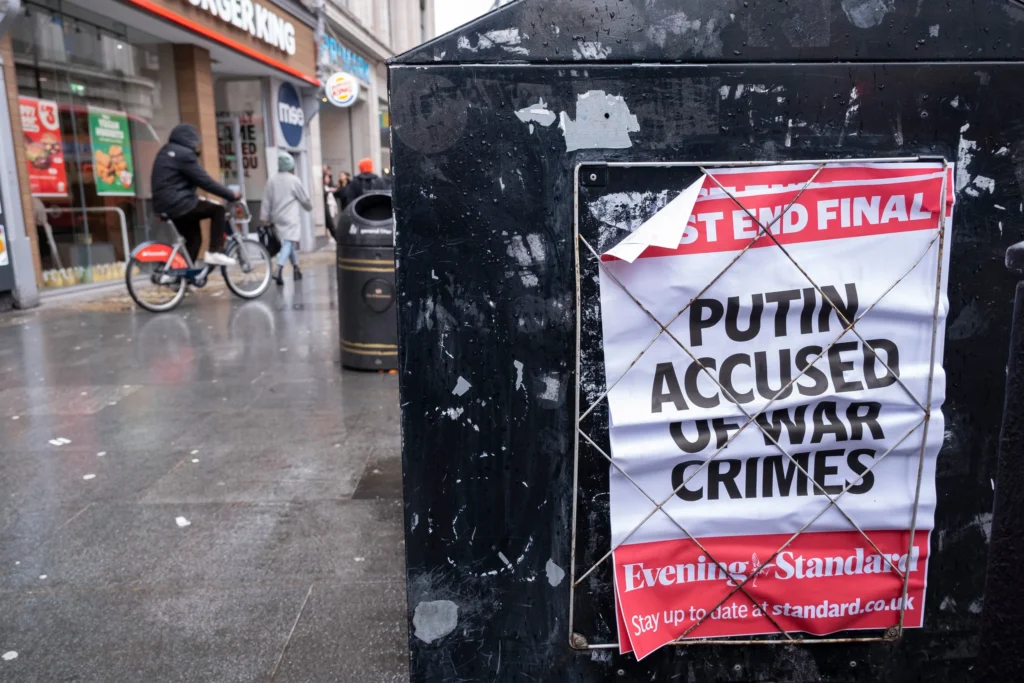
The term “war crime” isn’t just social media outrage — it has a legal meaning.
Under international humanitarian law, military actions may cross that line if civilians are intentionally targeted, if attacks fail to distinguish between civilians and combatants, or if civilian harm is disproportionate to the military objective.
Guidance from the United Nations Office of the High Commissioner for Human Rights makes one thing clear: civilian protection isn’t optional, even during counterterrorism operations.
“War crimes aren’t defined by intentions alone, but by consequences.”
The U.S. Response So Far
U.S. defense officials have stressed that intelligence-based targeting was used and that steps were taken to reduce civilian harm. They’ve also said internal reviews are underway.
At the same time, officials have questioned casualty figures coming from local sources — a response that has become familiar in modern conflicts and has been repeatedly documented by AP News.
“Official investigations move slowly. Public judgment doesn’t.”
Why This Story Is Blowing Up Globally
This case is gaining traction for a few simple reasons:
- Images and videos from the aftermath are spreading fast
- Human rights groups are speaking loudly
- Public trust in military transparency is already thin
- People are exhausted by wars that never seem to end
When even allied governments start facing questions from their own citizens, a military strike stops being just a military issue.
“Once allies feel the pressure, silence becomes harder to maintain.”
What Usually Happens Next
Historically, incidents like this lead to calls for independent investigations, internal military reviews, and diplomatic pressure. Actual war crime prosecutions are rare, but reputational damage can last far longer than any official inquiry.
“Legal accountability may stall, but public memory doesn’t.”
The Bigger Question No One Can Ignore
Beyond this specific strike, the backlash raises a larger issue: can modern warfare ever truly protect civilians?
International humanitarian principles, as explained by the International Committee of the Red Cross, place civilian lives at the center of conflict law — at least on paper.
Reality, as always, is messier.
Why This Matters
This story matters because it isn’t just about numbers or statements. It’s about power, perception, and how easily civilian deaths become footnotes.
That’s why people are reading.
And that’s why the anger isn’t fading.
“Want to know more about u.s. news click here.”
FAQs
Are U.S. military strikes considered war crimes?
Not automatically. Under international law, strikes may be considered war crimes only if they intentionally target civilians or cause disproportionate civilian harm.
How many civilians were killed in the U.S. military strikes?
Casualty estimates vary and remain disputed, with early reports suggesting dozens of deaths. Official investigations are ongoing.
Who investigates allegations linked to U.S. military strikes?
Investigations may involve internal military reviews, international organizations, and independent human rights groups.
Why do U.S. military strikes often face international backlash?
Because airstrikes in populated areas raise concerns over civilian safety, transparency, and accountability.