
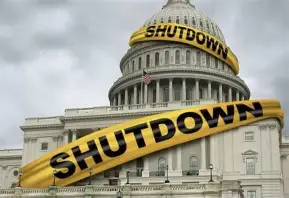
Most people hear “government shutdown” and tune out. It sounds like inside-baseball politics — lawmakers arguing, agencies bickering, nothing that really affects daily life unless you live in Washington.
That assumption collapses the moment a U.S. government shutdown DHS fight enters the picture.
When funding for the Department of Homeland Security stalls, the fallout doesn’t stay domestic. It seeps into airports, visa systems, border processing, and disaster response — not loudly, not dramatically, but consistently. And that quiet disruption is exactly what most coverage skips.
For context, the U.S. has played this game before. During what many still call the longest U.S. government shutdown, systems didn’t implode overnight — they slowed, strained, and stacked problems that lasted long after politicians shook hands.
That pattern hasn’t changed.
Why DHS Is Always the Pressure Point
DHS isn’t just a security acronym. It’s infrastructure.
Under its umbrella sit agencies that regulate how people move, enter, leave, and seek protection in the U.S. That includes the Transportation Security Administration, U.S. Customs and Border Protection, U.S. Citizenship and Immigration Services, and Federal Emergency Management Agency.
So when a U.S. government shutdown DHS standoff happens, it doesn’t just threaten paperwork. It interferes with movement, processing, and response — systems that don’t pause just because Congress can’t agree.
Airports Keep Running — At a Cost You Don’t See
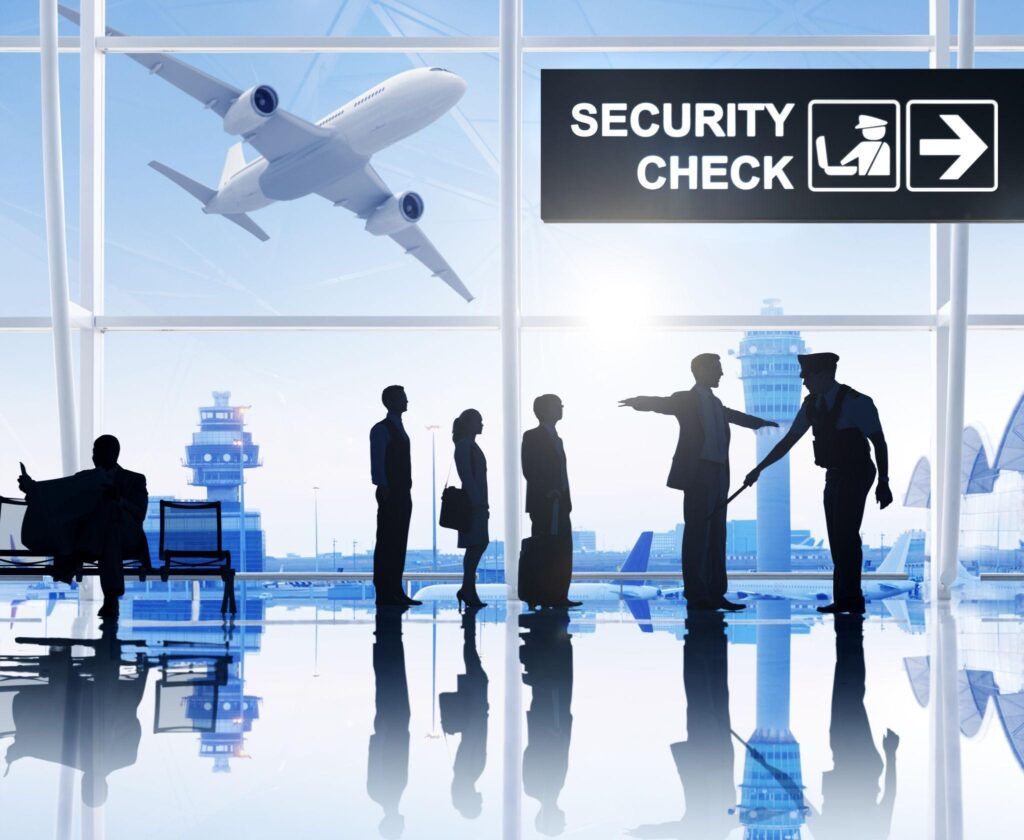
Flights don’t stop during a DHS shutdown. Airports stay open. That’s the part media repeats.
What they rarely emphasize is that TSA officers are classified as “essential,” meaning many continue working even when paychecks are delayed. Over time, that creates staffing shortages, burnout, and absentee spikes — none of which trigger breaking news banners.
For travelers, especially international ones, this shows up as:
- Longer security queues
- Slower secondary screening
- Fewer staff during peak travel hours
TSA occasionally posts updates through its official TSA newsroom, but the human impact of unpaid labor rarely gets sustained attention.
The system technically works — but under stress.
Immigration Delays That Outlive the Shutdown
This is where global readers feel it most.
Even though some immigration services are fee-funded, a U.S. government shutdown DHS disruption still slows:
- Asylum case processing
- Refugee admissions
- Background checks tied to other federal systems
Once those gears slow down, restarting them isn’t instant. Backlogs compound quietly, and people waiting outside the U.S. feel the consequences months later — long after funding resumes and headlines move on.
Students miss semesters. Workers delay start dates. Families stay in limbo with no clear timeline.
USCIS posts technical notices on its official USCIS updates page, but if you’re already stuck in the system, clarity often arrives too late to matter.
Disaster Response Doesn’t Stop — It Gets Riskier
Another overlooked angle: FEMA doesn’t disappear during shutdowns, but preparedness suffers.
Planning, training, contracts, and inter-agency coordination slow down. If a major disaster strikes during a funding lapse, response becomes more reactive than ready — a dangerous trade-off that rarely makes front-page news.
FEMA outlines its role publicly on the FEMA emergency management overview, but shutdown-era limitations are usually explained in bureaucratic language that hides real-world risk.
For countries coordinating with U.S. disaster frameworks or aid logistics, that uncertainty matters.
Why This Matters Even If You’re Not American
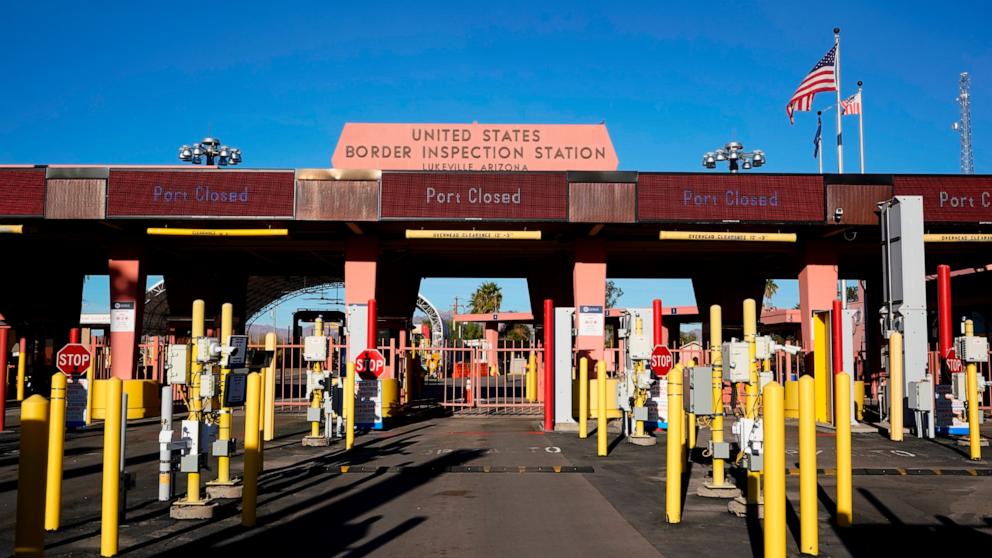
This isn’t about U.S. politics. It’s about dependency.
Global travel, migration systems, and emergency coordination rely on DHS-managed processes. When those systems slow down, the effects reach far beyond U.S. borders — even if no one calls it a crisis.
That’s why a U.S. government shutdown DHS standoff isn’t dramatic chaos. It’s slow erosion:
- Predictability disappears
- Timelines stretch
- Trust in systems weakens
And because nothing visibly “breaks,” there’s less urgency to stop it from happening again.
The Part Media Rarely Admits
Shutdowns have been normalized.
Lawmakers know essential services won’t collapse immediately, so the pressure to resolve funding fights quickly is low. Workers absorb the stress. Travelers absorb the delays. Migrants absorb the uncertainty.
By the time funding returns, the damage is already built into the system — and the story has moved on.
That’s the real cost of a U.S. government shutdown DHS fight. Not panic. Lingering disruption that most people only notice when it’s too late.
Final takeaway
If you think DHS funding battles don’t affect you because you don’t live in the U.S., they already have — you just weren’t told how.
And that silence is exactly why this cycle keeps repeating.
FAQs
What is a U.S. government shutdown DHS situation?
A U.S. government shutdown DHS situation occurs when Congress fails to approve funding for the Department of Homeland Security, forcing its agencies to operate under limited or emergency-only budgets.
Does a DHS shutdown stop airports and flights?
No. Airports remain open during a U.S. government shutdown DHS crisis, but TSA staff may work without pay, which can lead to longer security lines and staffing shortages.
How does a U.S. government shutdown DHS affect immigration?
It can slow asylum processing, refugee admissions, and background checks, creating immigration delays that often continue even after the shutdown ends.
Why does a DHS shutdown affect people outside the U.S.?
Because DHS oversees travel security and immigration systems, a U.S. government shutdown DHS disruption can impact international travelers, students, workers, and families worldwide.
Do shutdown effects end when funding is restored?
Not immediately. Backlogs and staffing gaps caused by a U.S. government shutdown DHS fight can take months to fully clear.