
A New Month, a New Crisis in Washington
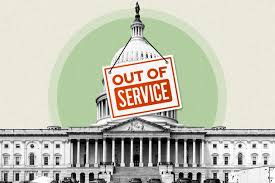
The U.S. government shutdown 2025 began just after midnight on October 1, when Congress failed to agree on a deal to keep federal agencies funded. It’s the same story we have seen before last minute debates, political tension, and millions of lives hanging in the balance.
Behind the headlines, the Senate deadlock has frozen Washington. Lawmakers could not pass a temporary continuing resolution (CR) to keep the government running, and now thousands of offices are closed, from national park to research labs.
For ordinary Americans, it means more uncertainty – delayed paychecks, paused programs, and a feeling that politics has once again taken priority over.
Why Did the shutdown Happen?
This year’s government funding crisis began with a simple disagreement that turned into full political showdown.
The House of Representative, led by republicans, passed a short term funding bill to extend operations though November 21, 2025. But the senate, controlled by democrates, rejected it saying ” the bill ignored key issues like Affordable Care Act (ACA) subsidies and medicaid extensions.
Democrats want healthcare protections included in the funding package, Republicans want to pass a “clean” bill and debate healthcare later. Neither side is backing down, and as a result, the federal government has come to a standstill.
What is closed and What is Still Running
When a shutdown happens, non essential services are the frist to feel the impact.
- Federal employees in agencies like the Environmental protection Agent (EPA), NASA, and National Parks Service are furloughed, meaning they can’t work or get paid until congress passes a budget.
- Around 750,000 federal workers are affected every day, some working without pay, others sent home to wait.
- Essential services such as law enforcement, air traffic control, and border security continue, but staff often work without immediate pay.
Programs like social security, medicare, and veterans benefits’ are still operating because they’re funded separately. but expect slower responses and delayed paperwork.
How the Shutdown Impacts Americans
For many, the U.S. government shutdown 2025 isn’t just a news headlines – it’s a financial hit. families of fedral workers worry about rent, groceries, and bills. Small businesses that rely on federal contracts are taking a hit as national parks and museums closed their doors.
Economists warn that if the shutdown drages on, it could reduce GDP growth, slow down small business loans, and hurt overall consumer confidence.
The Political Blame Game
In washington, both sides are pointing fingers. Republicans say democrats are blocking progress with “unnecessary Demands”, while Democrats argue that healthcare funding is a basic necessity, not a bargaining chip.
Polls show that most American currently blame Republicans, since they control both congress and the White House. still, frustration is growing toward both parties as the shutdown stretches into another week.
Every day the Senate deadlock continues, public pressure increases and so does the cost to taxpayers.
What Happens Next?
No one knows how long this will last. lawmakers are expected to reconvene soon for another round of votes, but with both sides refusing to compromise, there’s no clear end in sight.
If the past is any guide, public backlash could force a deal, just like during the 2018-2019 shutdown, which lasted a recorde 35 days. Untill then, americans will keep watching and waiting,
hoping Washington finally remembers wh it’s supposed to serve.
Key Takeaways
- Shutdown start date: October 1, 2025
- Cause: Funding fight and Senate deadlock over healthcare
- Workers affected: Around 750,000 federal employees
- Essential services: Still operating with limited staff
- Impact: Economic slowdown and rising public frustration
What is a U.S. government shutdown?
It’s when Congress fails to pass funding bills, causing non-essential federal agencies to pause operations.
Do federal workers get paid during the shutdown?
Not immediately. Most receive back pay after the government reopens.
What services stay open?
Essential ones like defense, air travel, and border security — though under strain.
How long will this shutdown last?
It depends on how quickly Congress reaches a deal. Some shutdowns last a few days, others weeks.
Who’s being blamed?
Right now, polls suggest Republicans face the most blame — though both parties are under pressure to end it.
1 thought on “U.S. Government Shutdown 2025: What’s Really Happening”