
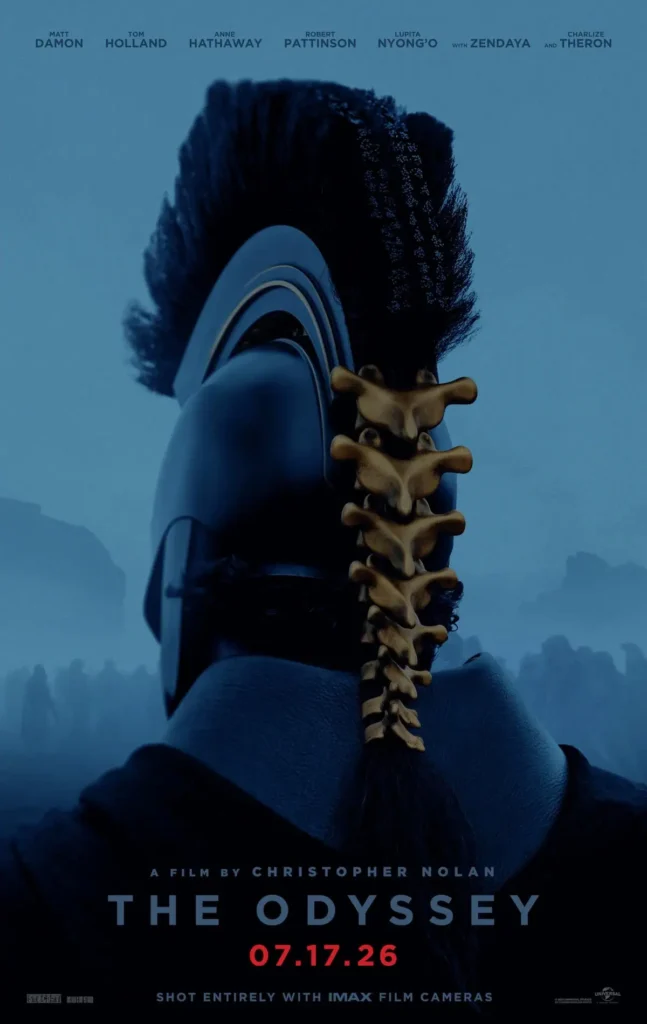
Hollywood thinks adapting The Odyssey is a safe bet. A legendary story. Built-in prestige. Familiar characters. Epic visuals. On paper, it looks foolproof — especially with Christopher Nolan’s The Odyssey scheduled to be released in theaters on July 17, 2026. But the truth is uncomfortable: Hollywood’s upcoming The Odyssey movie is far riskier than it looks — creatively, culturally, and emotionally.
Because The Odyssey isn’t just another myth you can dress up with CGI and dramatic music. It’s a story rooted in trauma, ego, and psychological damage. And if Hollywood gets that wrong — or pretends it isn’t there — the movie won’t feel epic. It’ll feel empty.
The Odyssey Is Not a Simple Hero Story
This is where most adaptations already fail.
The Odyssey isn’t about monsters, clever tricks, or a brave man racing home. It’s about a war survivor who cannot return to normal life. Odysseus doesn’t just face obstacles — he repeatedly chooses danger, delays peace, and clings to conflict because it’s the only identity he understands.
I broke this down earlier in detail — how The Odyssey is more about psychological damage than heroism — in Hollywood Is Turning Ancient Trauma Into Blockbusters Again — And The Odyssey Proves It. That context matters, because without it, Hollywood risks turning a deeply uncomfortable story into surface-level spectacle.
Classical scholars have long argued that Homer’s epic is driven by inner struggle rather than adventure, something clearly outlined in Britannica’s analysis of The Odyssey.
The Trauma Problem Hollywood Keeps Avoiding
Here’s the real risk: The Odyssey forces filmmakers to confront trauma honestly — and Hollywood has a terrible track record with that.
Modern epics tend to aestheticize suffering instead of exploring it. Trauma becomes dramatic lighting, swelling music, and heroic framing, even when the character is clearly unraveling. Odysseus’ behavior closely resembles trauma-driven avoidance, patterns modern psychology associates with combat stress, as explained in research on PTSD by the American Psychological Association.
If the movie turns Odysseus’ suffering into inspirational spectacle, it won’t just miss the point. It will betray the story.
Why Audiences Are Less Forgiving Now
Ten years ago, Hollywood could glorify broken men without much pushback. Today, that tolerance is fading.
Audiences are more aware of mental health, emotional avoidance, and toxic hero worship. There’s growing fatigue with stories that confuse pain with depth — a cultural shift frequently discussed in essays published by The Atlantic.
That shift makes The Odyssey harder to sell as a traditional heroic epic. Viewers are less impressed by men who abandon responsibility and call it destiny.
Penelope Is the Real Test
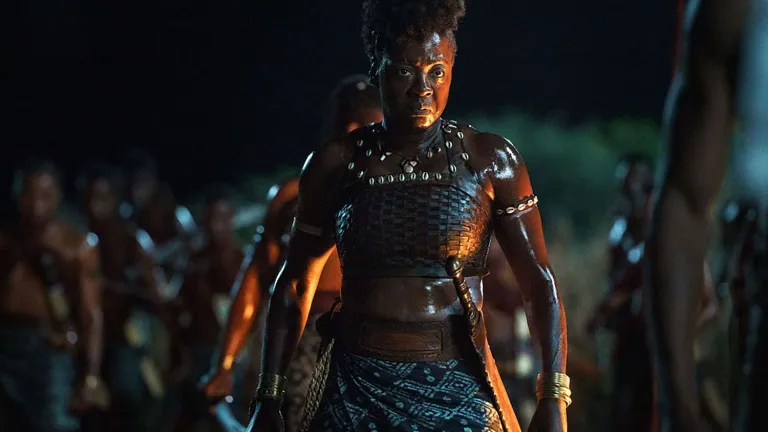
If there’s one character who will decide whether this adaptation works or collapses, it’s Penelope.
She isn’t a side character. She’s the emotional backbone of The Odyssey. While Odysseus wanders, she maintains social order, navigates political pressure, and survives emotional isolation — all without glory or recognition.
If the film reduces Penelope to a passive symbol of loyalty, critics will tear it apart. Modern audiences notice when women exist only to wait while men chase meaning. Getting Penelope wrong won’t just weaken the story — it will expose how shallow the adaptation really is.
Prestige Doesn’t Guarantee Depth
Hollywood loves to assume that prestige directors, massive budgets, and classical source material automatically create substance. They don’t.
Big productions often fear restraint. But The Odyssey demands it — silence, ambiguity, discomfort. Film scholars associated with the British Film Institute have repeatedly criticized epic cinema for prioritizing spectacle over psychological realism, especially when adapting ancient stories.
The danger isn’t that the movie will be bad.
The danger is that it will be beautiful and empty.
Why This Adaptation Matters More Than It Seems
Hollywood keeps reaching back to ancient stories because modern franchises are burning out. Superheroes feel exhausted. Original ideas feel risky. So studios mine myth for meaning.
But The Odyssey isn’t nostalgia. It’s confrontation.
If the movie embraces the story’s psychological weight — the ego, the avoidance, the damage — it could redefine what a modern epic looks like. If it doesn’t, it will become another expensive reminder that Hollywood still mistakes scale for substance.
Final Take
Hollywood believes The Odyssey is safe because it’s familiar. In reality, it’s dangerous because it questions heroism, exposes ego, and refuses clean redemption.
If the upcoming movie leans into that discomfort, it could be powerful.
If it runs from it, the failure won’t be subtle — it will be obvious.
And that would prove the real risk of adapting The Odyssey:
not that the story is too old — but that Hollywood still doesn’t understand it.
FAQs
Why is Hollywood making a movie based on The Odyssey?
Hollywood is turning to ancient epics like The Odyssey as modern franchises burn out, hoping familiar myths can carry contemporary themes.
Why is The Odyssey movie considered risky?
The story deals heavily with trauma, ego, and psychological damage, which Hollywood often oversimplifies or glamorizes.
Is The Odyssey really about trauma?
Many scholars interpret The Odyssey as a post-war psychological journey rather than a straightforward heroic adventure.
Why is Penelope important in The Odyssey movie adaptation?
Penelope represents emotional labor and endurance, and sidelining her risks weakening the story for modern audiences.