
The Odyssey is trending again, and no — it’s not because people suddenly rediscovered ancient poetry. It’s trending because Hollywood is back to doing what it does best: digging up old trauma, polishing it with massive budgets, and selling it as “epic storytelling.” What gets marketed as adventure and heroism is, at its core, a story about war damage, displacement, and a man who cannot mentally come home.
That’s why The Odyssey feels disturbingly modern right now — and why studios are once again obsessed with turning ancient suffering into spectacle.
The Odyssey Was Never a Feel-Good Epic
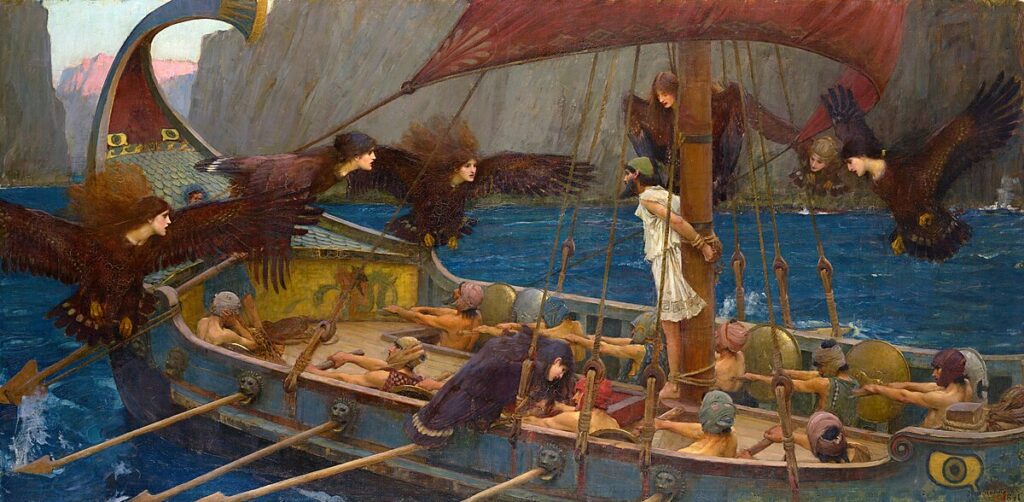
Despite how classrooms sanitize it, The Odyssey was never meant to be comforting. Literary historians have long described Homer’s epic as a reflection of post-war psychological collapse rather than triumph, something clearly explained in Britannica’s detailed analysis of The Odyssey.
Odysseus doesn’t wander for ten years because fate is cruel. He wanders because he doesn’t know how to exist without war. His behavior mirrors trauma-driven avoidance — patterns modern psychology associates with combat stress, documented by the American Psychological Association’s research on post-traumatic stress.
This isn’t heroism. It’s untreated damage.
Why Hollywood Keeps Returning to The Odyssey
Hollywood doesn’t revive The Odyssey because it’s ancient. It revives it because ancient trauma is safe trauma. No modern victims. No political backlash. Just “timeless suffering” wrapped in prestige.
That’s why broken men are consistently framed as profound rather than dysfunctional — a trend repeatedly highlighted in Variety’s coverage of Hollywood’s obsession with prestige epics. Pain sells better when it looks meaningful, even if it explains nothing.
Ancient trauma lets Hollywood appear deep without being brave.
Odysseus Isn’t a Hero — He’s a Warning

This is where people get uncomfortable.
Odysseus is reckless, ego-driven, and emotionally absent for most of the story. He delays his return. He chooses danger repeatedly. Meanwhile, Penelope carries the emotional and social labor of survival — a dynamic often discussed in academic breakdowns of gender roles in classical literature.
If The Odyssey were released today, critics wouldn’t celebrate Odysseus. They’d diagnose him.
The Modern Obsession With Broken Men
The reason The Odyssey resonates right now isn’t accidental. Hollywood is addicted to damaged protagonists — men who can’t adapt to peace, stability, or emotional responsibility.
This mirrors broader cultural burnout in the U.S., where suffering is still treated as proof of worth. Writers at The Atlantic have explored how American culture glorifies exhaustion and struggle, confusing endurance with meaning instead of questioning the system that produces it.
Hollywood doesn’t challenge this mindset. It amplifies it.
What Modern Adaptations Keep Getting Wrong
Most adaptations don’t explore trauma — they aestheticize it. Pain becomes dramatic lighting, sweeping scores, and slow-motion suffering. Healing is ignored because it doesn’t look cinematic.
Film scholars associated with the British Film Institute have criticized epic cinema for prioritizing spectacle over psychological realism, especially when adapting classical material. Trauma looks beautiful, but nothing is learned.
Suffering becomes content.
Why The Odyssey Is Trending Now
We’re exhausted. Burned out. Disillusioned with modern promises of success and fulfillment. So culture looks backward, romanticizing ancient suffering because it feels earned and noble.
Hollywood recognizes that hunger and feeds it epics instead of insight.
Big budgets. Bigger trauma. Same emptiness.
Final Take
The Odyssey isn’t trending because it’s timeless. It’s trending because we haven’t evolved. We still worship broken heroes. We still confuse pain with purpose. And Hollywood keeps turning ancient trauma into blockbusters because it knows we’ll watch — and mistake spectacle for depth.
Until storytelling stops glorifying damage and starts questioning it, The Odyssey will keep returning.
Not as wisdom.
As a mirror.
And that reflection should make us uncomfortable.
FAQs
Why is The Odyssey trending again?
The Odyssey is trending due to renewed Hollywood interest in adapting ancient epics, combined with growing cultural conversations around trauma, war, and masculinity.
Is The Odyssey really about trauma?
Yes. Many scholars interpret The Odyssey as a story of post-war psychological struggle rather than a simple heroic adventure.
Why does Hollywood keep adapting ancient epics?
Ancient stories offer “safe trauma” — emotionally intense narratives without modern political accountability or controversy.
Is Odysseus a hero or a tragic figure?
While traditionally viewed as a hero, modern readings increasingly frame Odysseus as a deeply flawed and psychologically damaged character.
1 thought on “Hollywood Is Turning Ancient Trauma Into Blockbusters Again — And The Odyssey Proves It”