
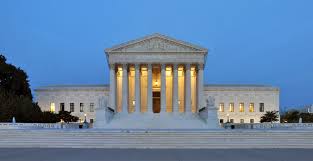
The supreme Court of the united states (SCOTUS) remains one of the most powerful institution in the American government. every Decision made here shapes laws, rights, and how power is balanced among the branches of government.
As of October 2025, the Court is dealing with some of the most controversial and high-impact cases in recent years – from free speech to voting right and excutive power.
Let’s take a deep look at what’s new, what’s trending and why it matters.
What Is the Supreme Court?
The Supreme court is the highest federal court in the U.s., established by the constitution in 1789. It serves as the final authority on constitutional interpretation and Federal law.
Quick Fact:
- Nine Justices: One Chief Justice and eight Associate Justices, all appointed for life.
- Jurisdiction: Limited original jurisdiction and broad appellate jurisdiction over lower courts.
- Certiorari System: The Court receives thousands of petitions each year but hears only about 60–80 major cases.
- Purpose: To ensure laws comply with the Constitution and to maintain the balance of power in government.
What’s New in 2025? — Key Supreme Court Updates
The 2025 term has already been packed with major rulings, denied appeals, and new cases that could redefine U.S. law.
- Alex Jones Appeal Rejected
In October 2025, the Supreme Court declined to hear Alex Jones’s appeal of a $1.4 billion defamation judgment over his false claims about the Sandy Hook school shooting.
This decision means the lower-court ruling stands — marking a significant moment for defamation law and misinformation accountability.
- Medicaid & Planned Parenthood Case
In Medina v. Planned Parenthood South Atlantic (2025), the Court ruled 6–3 that individuals cannot sue states under federal law to protect their choice of Medicaid providers.
The ruling effectively limits challenges to states that exclude Planned Parenthood from Medicaid programs.
- Veterans’ Benefits Case: Bufkin v. Collins
The Court clarified that the “benefit of the doubt” rule in veterans’ claims should be reviewed under a clear error standard, not de novo.
This decision makes it harder for veterans to overturn agency decisions.
- Presidential Power Over Regulatory Agencies
The Court recently sided with the Trump administration in allowing the president to remove commissioners from independent agencies.
This move has stirred debate over the independence of federal commissions such as the Consumer Product Safety Commission.
- H-4 Spouses Work Rule Upheld
The Court refused to review a case challenging the rule that allows H-4 visa holders (spouses of H-1B workers) to work in the U.S.
This is a win for immigrant families, ensuring continued employment rights for thousands of skilled workers’ spouses.
Major Upcoming Cases to Watch
- Voting Rights Act Challenge (Louisiana)
A pending case challenges Louisiana’s congressional map, which added a second majority-Black district.
If the Court sides with the challengers, it could weaken the Voting Rights Act and reduce minority representation in Congress.
- Conversion Therapy Ban Case
The Court is hearing Chiles v. Salazar, a case that questions whether states can ban conversion therapy for minors.
Conservative justices have shown skepticism, suggesting that such bans might restrict free speech rather than conduct.
- Trump Tariffs & Executive Power
The Court may soon revisit trade tariffs imposed during the Trump administration. These cases question whether presidents have too much authority over trade policy.
Institutional Debates and Criticism
“Shadow Docket” Controversy
Justice Elena Kagan has criticized her peers for making too many emergency decisions without full briefings or written opinions — known as the shadow docket.
Critics say this practice reduces transparency and public trust in the Court.
Case Selection Transparency
Experts continue to question how the Court decides which cases to hear. Many believe informal voting and behind-the-scenes strategy play a bigger role than most realize.
Why These Supreme Court Developments Matter
- Civil Rights Impact — Cases on voting rights, speech, and healthcare directly shape protections for minorities, women, and marginalized communities.
- Executive Power Expansion — The Court’s rulings may strengthen presidential authority over federal agencies.
- Public Trust & Transparency — The ongoing “shadow docket” debate highlights concerns about accountability and public perception.
- Precedent Shifts — These rulings could redefine key principles of constitutional and administrative law for years to come.
What’s Next in the 2025–26 Term
Here’s what to watch in the coming months:
- Final judgment in the Voting Rights Act case (expected 2026)
- Decision in conversion therapy ban case
- New petitions on executive removal powers and environmental laws
- Ongoing analysis of the Court’s emergency rulings
Final Thoughts
The U.S. Supreme Court continues to sit at the center of American democracy, where every ruling can ripple through law, politics, and society.
As 2025 unfolds, its decisions on free speech, voting rights, and executive power are reshaping the country’s legal landscape — for better or worse, depending on where you stand.
FAQs
What is the main function of the U.S. Supreme Court?
The Supreme Court’s main function is to interpret the U.S. Constitution and ensure that laws and government actions comply with it. It reviews decisions from lower courts and resolves major legal disputes that affect the entire country.
How many justices are there on the U.S. Supreme Court?
There are nine justices on the Supreme Court — one Chief Justice and eight Associate Justices. They are appointed by the President and confirmed by the Senate for lifetime terms.
What major cases has the Supreme Court ruled on in 2025?
Some of the biggest 2025 cases include:
The Court refused to hear Alex Jones’s defamation appeal, leaving a $1.4 billion judgment intact.
In Medina v. Planned Parenthood South Atlantic, it limited lawsuits against states that cut Planned Parenthood from Medicaid.
The Court upheld H-4 spouses’ right to work in the U.S. by denying review of a challenge to the rule.
What upcoming Supreme Court cases should people watch in 2025–26?
Keep an eye on:
The Voting Rights Act case from Louisiana, which could affect minority representation.
The conversion therapy ban challenge (Chiles v. Salazar), which questions free speech versus state regulation.
Possible reviews on Trump-era tariffs and executive powers over trade and agencies.
What is the “shadow docket,” and why is it controversial?
The “shadow docket” refers to emergency decisions made by the Court without full briefings or explanations.
Critics say this practice lacks transparency and accountability, while supporters argue it’s necessary for urgent issues.
Why did the Supreme Court deny Alex Jones’s appeal?
The Court declined to hear Jones’s appeal, meaning it let the lower court ruling stand. Jones had claimed his defamation verdict violated his free speech rights, but the Court found no reason to revisit the decision.
How do Supreme Court decisions impact everyday Americans?
Supreme Court rulings influence civil rights, healthcare, immigration, education, and workplace laws.
Each decision sets a precedent that lower courts must follow, shaping how laws apply across all 50 states.
Can the Supreme Court overturn its past rulings?
Yes. The Court can overturn its previous decisions if a majority of justices believe the earlier ruling was unconstitutional or wrongly decided.
This has happened in landmark cases like Dobbs v. Jackson Women’s Health Organization (which overturned Roe v. Wade).
How often does the Supreme Court hear new cases?
Each year, the Court receives over 7,000 petitions but hears only about 60–80 cases. Most petitions are denied without comment, making each accepted case highly significant.
How can citizens follow Supreme Court updates?
You can stay updated by checking SCOTUSblog, Reuters Legal, Associated Press, or the official Supreme Court website (supremecourt.gov) for schedules, rulings, and opinions.
If you want to share your thoughts , you can share it on our contact us page or just comment below