
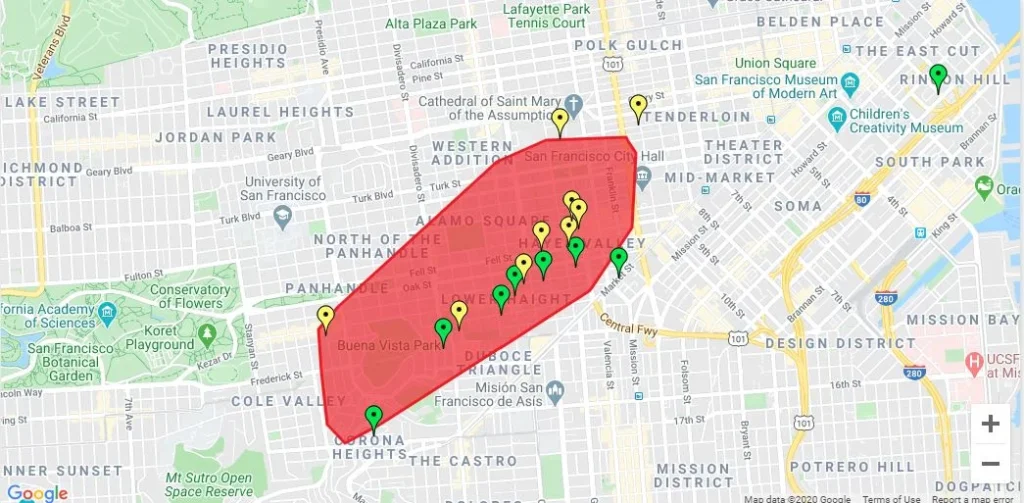
The san francisco power outage that plunged large parts of the city into darkness wasn’t just another local electricity failure. It was a reality check — and an embarrassing one. A city that sells itself as the global capital of technology couldn’t survive a single infrastructure breakdown without spiraling into chaos.
This wasn’t about inconvenience. It was about exposure.
At its peak, the outage left more than 100,000 customers without power, according to Associated Press. Traffic lights failed, businesses shut instantly, and even self-driving cars — yes, the future — stopped in the middle of the streets.
For a city obsessed with innovation, the basics failed hard.
What caused the San Francisco power outage?
According to Pacific Gas and Electric (PG&E), the outage was triggered by a fire at a power substation, a critical piece of infrastructure that most people never think about — until it collapses.
PG&E crews confirmed that the fire caused internal damage severe enough to slow restoration efforts, turning what could have been a brief outage into a city-wide disruption. As Reuters reported in its broader U.S. infrastructure coverage, aging power systems across major American cities are increasingly vulnerable to fires, overloads, and extreme conditions.
San Francisco just became the latest example.
This was not a rolling blackout. There was no warning. Power vanished in seconds — and with it, the illusion of control.
The moment the city froze
The san francisco power outage revealed how fragile modern city life really is.
Traffic signals went dark across multiple neighborhoods, forcing drivers to treat intersections as four-way stops. Emergency services had to intervene manually. Businesses relying on digital payments were instantly shut down.
Then came the detail that made this outage go viral.
Waymo, Google’s self-driving car company, temporarily suspended service after autonomous vehicles stalled when power and communication systems failed. You can read more about Waymo’s operations directly from Waymo’s official site, but the takeaway was obvious: automation doesn’t work when the grid collapses.
In a city that prides itself on AI and autonomy, the future literally stopped moving.
Why this outage hit a nerve nationwide
Power outages happen everywhere. So why did this one explode beyond local headlines?
Because San Francisco isn’t supposed to fail like this.
This is the city of billion-dollar startups, AI labs, and endless talk about “what’s next.” Yet one substation fire was enough to:
- Shut down traffic systems
- Halt autonomous vehicles
- Close businesses instantly
- Leave tens of thousands without power
The contrast was brutal — and impossible to ignore.
The san francisco power outage became a symbol of a bigger problem: cities racing toward smart technology while neglecting the infrastructure that actually keeps them alive.
Innovation without infrastructure is a lie
Here’s the uncomfortable truth no tech summit wants to admit.
Cities like San Francisco pour money into digital transformation while core systems — power grids, substations, transformers — quietly age in the background. These systems aren’t flashy. They don’t trend on social media. But when they fail, everything else collapses with them.
As Reuters has repeatedly warned, America’s power infrastructure is under strain from age, climate stress, and rising demand. The San Francisco outage wasn’t an exception — it was a preview.
If one fire can cripple a tech capital, the problem isn’t bad luck. It’s neglect.
How long did the San Francisco power outage last?
PG&E restored power to most affected customers within hours, but thousands remained without electricity well into the next day, according to updates cited by Associated Press.
No major injuries were reported, which is fortunate. But the real damage wasn’t physical — it was psychological and economic.
People realized how thin the margin really is.
Small businesses paid the real price
For small businesses, the san francisco power outage wasn’t a minor disruption. It was immediate financial loss.
No power means:
- No card payments
- No online orders
- No refrigeration
- No remote work
For hourly workers, it meant missed wages. For shop owners, it meant an entire day erased with zero warning and zero compensation.
This is how infrastructure failure quietly widens economic gaps — not with explosions, but with silence and darkness.
Why this story matters beyond San Francisco
You don’t live in California? Doesn’t matter.
The san francisco power outage is a case study for every city pushing toward automation without reinforcing the basics. Smart traffic systems, AI-driven transport, and digital governance all depend on one thing: a stable power grid.
Without it, the future doesn’t just slow down — it stops.
Final takeaway
This wasn’t just a blackout. It was a warning shot.
San Francisco didn’t fail because it lacked technology. It failed because it neglected fundamentals. Until cities prioritize power infrastructure as much as innovation, outages like this won’t be rare — they’ll be routine.
And next time, the lights might stay off longer.
FAQs
What caused the San Francisco power outage?
The outage was caused by a fire at a PG&E power substation, which damaged critical infrastructure and disrupted electricity across large areas of the city.
How many people were affected by the San Francisco power outage?
More than 100,000 customers lost power at the peak of the outage, according to official reports.
How long did the San Francisco power outage last?
While power was restored to most areas within hours, thousands of customers remained without electricity well into the next day.
Did the power outage affect traffic and transportation?
Yes. Traffic lights went dark across multiple neighborhoods, and Waymo temporarily suspended self-driving car services in affected areas.
Why is the San Francisco power outage significant?
The outage exposed vulnerabilities in infrastructure within one of America’s most technology-driven cities, raising concerns about grid reliability and preparedness.