
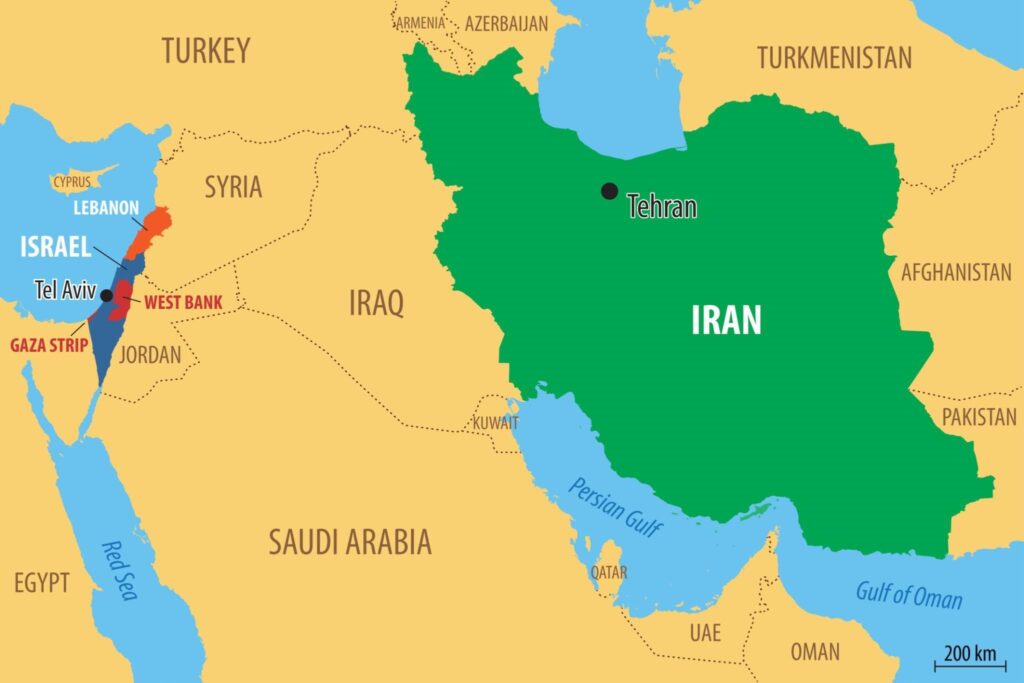
The Middle East conflict unfolding right now is no longer contained between just two actors. What began as escalating strikes between Israel and Iran has widened, and Hezbollah has now stepped directly into the confrontation.
If you are trying to understand the Hezbollah role in Iran war, you need to look at what is happening on the ground right now, not what happened 20 years ago.
Here’s what is confirmed, what it means, and why the United States is watching closely.
What Is Happening Right Now
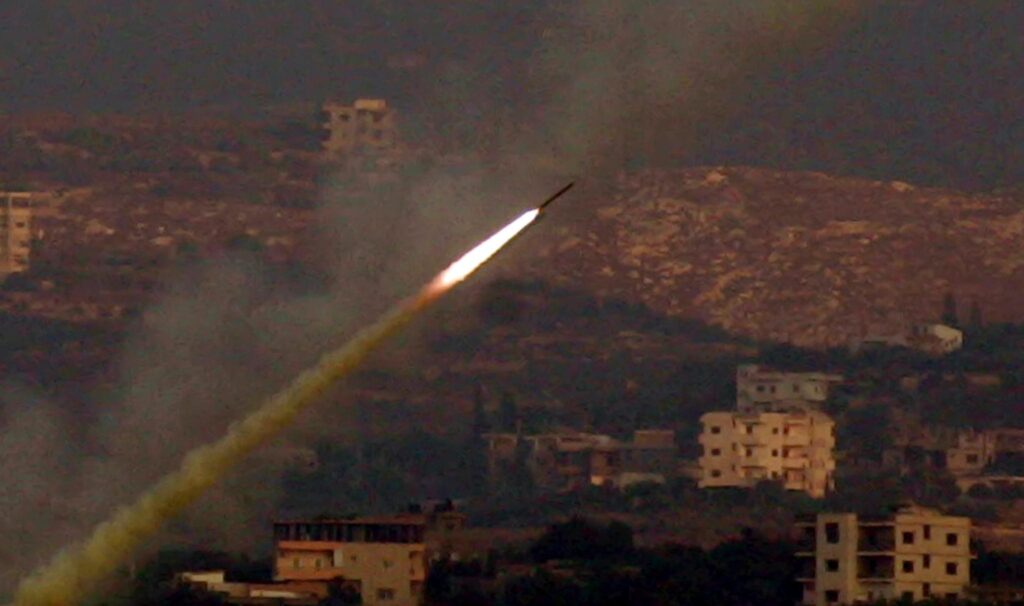
Over the past several days, Israel has carried out strikes targeting Iranian assets amid rising tensions. In response, Iran-backed groups across the region have begun escalating activity.
According to Reuters, projectiles were launched from southern Lebanon into northern Israel, and Israel’s military responded with airstrikes targeting positions linked to Hezbollah.
This marks a significant development because Hezbollah had previously avoided full-scale engagement during earlier phases of the Israel-Iran escalation. The renewed cross-border fire signals that the conflict is widening geographically.
Meanwhile, the broader confrontation between Israel and Iran continues, with air operations and missile exchanges drawing international concern. BBC News reports that regional powers are on high alert as fears grow that the conflict could expand beyond isolated strikes.
The situation is fluid. What matters most right now is that Hezbollah is no longer sitting on the sidelines.
Who Hezbollah Is — In Today’s Context
Hezbollah is a powerful Lebanese armed group and political movement backed by Iran. The group has long been considered Tehran’s most capable regional ally.
The United States designates Hezbollah as a terrorist organization. That designation shapes how Washington approaches any escalation involving the group.
Hezbollah operates both as a political party in Lebanon and as a heavily armed militia with significant missile capabilities. Its presence along the Israel-Lebanon border makes it a key variable in any conflict involving Israel and Iran.
When Iran faces direct military pressure, Hezbollah often becomes part of the strategic equation.
What Hezbollah Is Doing in This Conflict
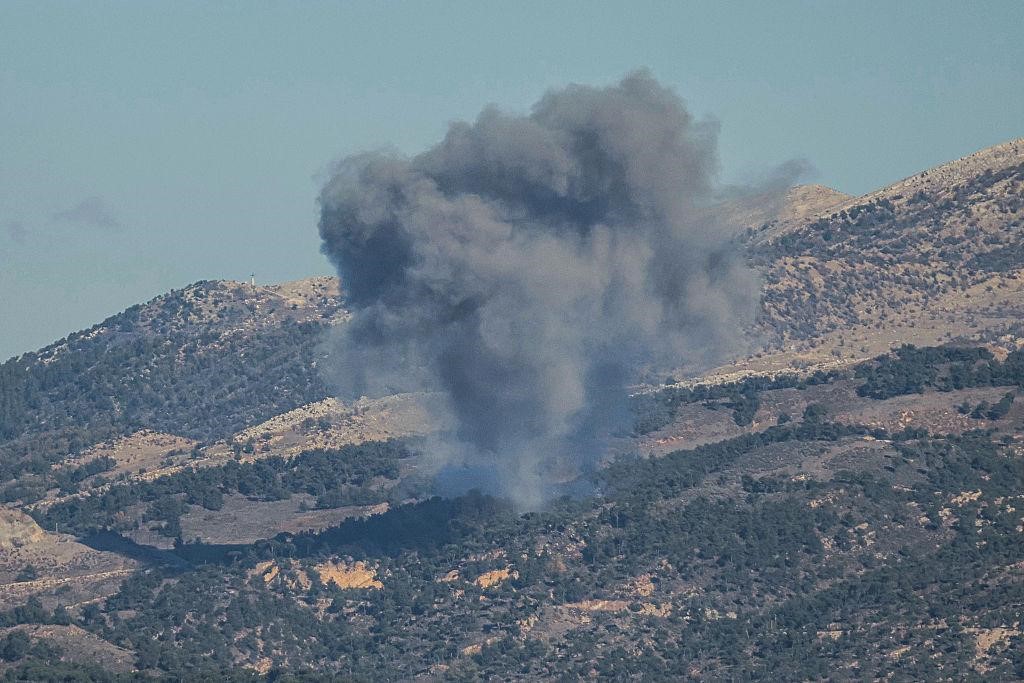
The confirmed reports so far indicate that rockets or projectiles were fired from Lebanese territory into northern Israel. Israel responded with targeted airstrikes against Hezbollah-linked sites in southern Lebanon.
This exchange matters for two reasons:
- It opens a northern front against Israel.
- It increases the risk of sustained regional escalation.
Associated Press notes that cross-border attacks between Israel and Hezbollah have historically led to rapid intensification if not quickly contained.
Hezbollah has not announced a full-scale war posture. However, even limited involvement can significantly alter Israel’s military calculations and Iran’s broader strategy.
This is not symbolic participation. It is strategic signaling.
Why This Matters to the United States
Now we get to the part that directly affects U.S. readers.
1. The U.S. Is a Key Ally of Israel
United States provides military and diplomatic backing to Israel. If Israel faces a multi-front conflict involving both Iran and Hezbollah, U.S. strategic involvement may increase.
2. U.S. Forces Are Already in the Region
American troops are stationed across the Middle East. Escalation increases the risk of indirect attacks on U.S. personnel or bases.
Even if Hezbollah does not directly target American assets, the instability itself complicates U.S. military positioning.
3. Regional War Implications
If Hezbollah expands operations, the conflict could pull in Lebanon more deeply, strain Gulf states, and trigger broader diplomatic or military consequences.
That shifts the story from a bilateral confrontation to a regional war scenario.
Is This a Full-Scale War?
Not yet.
But the ingredients for one are present:
- Direct Israeli strikes linked to Iran
- Hezbollah cross-border fire
- Israeli retaliation inside Lebanon
- Rising international warnings
Diplomatic efforts are underway to prevent full escalation. Global leaders have called for restraint, and back-channel negotiations are reportedly ongoing, according to international coverage from Reuters and BBC.
Still, once cross-border exchanges begin, escalation can move quickly.
What to Watch Next
If you are tracking the Hezbollah role in Iran war, watch for these developments:
- Whether Hezbollah increases the frequency or range of attacks
- Whether Israel expands air operations deeper into Lebanon
- Any direct statement from Tehran clarifying coordination
- U.S. military repositioning or public statements
Those signals will tell you whether this remains controlled escalation or moves toward something far larger.
The Bottom Line
Hezbollah’s involvement in the Iran-Israel confrontation changes the equation. It opens a northern front, adds another armed actor with significant missile capacity, and raises the stakes for regional stability.
For the United States, this is not distant geopolitics. It affects military strategy, alliance commitments, and global security calculations.
Right now, the situation remains active and developing. Verified updates from outlets like Reuters, Associated Press, and BBC are the most reliable sources for confirmed developments.
The Hezbollah role in Iran war is no longer theoretical. It is operational.
FAQs
What is Hezbollah’s role in the Iran war?
Hezbollah has launched cross-border projectiles from Lebanon into northern Israel amid escalating tensions between Israel and Iran. Israel has responded with airstrikes on Hezbollah-linked targets.
Is Hezbollah officially at war with Israel?
Hezbollah has engaged in cross-border fire, but a formal full-scale war declaration has not been announced. The situation remains an active escalation.
Why does Hezbollah support Iran?
Hezbollah is backed by Iran financially and militarily and is considered one of Tehran’s strongest regional allies.
How could Hezbollah’s actions affect the United States?
Because the U.S. supports Israel and has military forces in the region, escalation involving Hezbollah could increase strategic and security risks for American interests.
Is the conflict spreading beyond Iran and Israel?
With Hezbollah involved from Lebanon, the conflict risks widening into a broader regional confrontation if not contained.