
Let’s be honest.
Most Americans aren’t losing sleep over carbon footprints.
They’re losing sleep over gas prices and how much their car is draining their bank account.
So the real question isn’t “Which is greener?”
It’s:
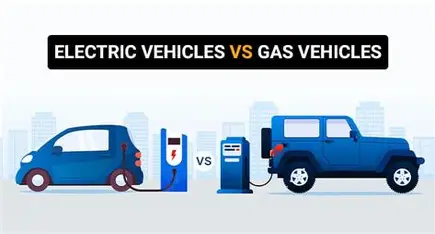
Gas vs electric motors — which one actually saves Americans more money in 2026?
And no, the answer isn’t as simple as EV fans want you to believe.
Upfront Cost: Gas Motors Still Feel Easier on the Wallet
Walk into any U.S. dealership and you’ll notice it instantly:
Gas cars still look affordable.
Electric ones still look… expensive.
Even in 2026, electric motors come with a battery price tag that makes many buyers hesitate. Sure, EV prices are slowly dropping, but gas vehicles still win when it comes to initial affordability.
According to Forbes’ EV cost analysis, electric vehicles may be cheaper to run, but they’re still more expensive to buy upfront.
So if your budget is tight, gas vs electric motors starts with gas in the lead.
Fuel vs Charging: Electric Motors Play the Long Game
Gas prices in America change like the weather — unpredictable and annoying.
Electricity? Much more stable.
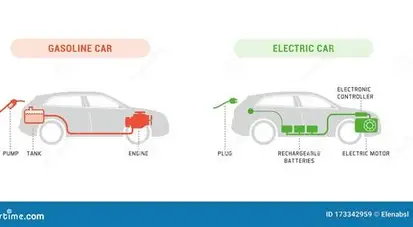
Charging an electric motor at home usually costs far less than filling up a gas tank. A long-term comparison from Wawanesa Insurance shows that EV drivers often save hundreds of dollars per year on energy compared to gas motor owners.
So when it comes to fuel costs,
gas vs electric motors clearly favors electric.
Maintenance: Gas Motors Are High-Maintenance Drama
Gas motors need constant attention:
Oil changes.
Engine servicing.
Transmission issues.
Exhaust repairs.
Electric motors?
Way simpler. Fewer moving parts. Fewer breakdowns. Fewer surprise bills.
According to the NRDC cost breakdown, electric vehicles cost significantly less to maintain over time.
In the gas vs electric motors debate, electric wins the “less headache” category.
Insurance & Repairs: Gas Motors Still Have an Advantage
Now let’s talk about the part EV fans don’t love.
Electric cars can be:
- More expensive to insure
- Costly to repair
- A nightmare if the battery gets damaged
Gas cars, on the other hand, are easier to fix, cheaper to insure, and every mechanic knows how to handle them.
So when it comes to repair simplicity,
gas vs electric motors still leans toward gas.
Charging Convenience: Not Everyone Lives the EV Lifestyle
Not every American has a garage.
Not every American has a home charger.
Not every American wants to plan their life around battery percentages.
Gas stations? Everywhere.
Charging stations? Still catching up.
If charging feels like a hassle where you live,
gas vs electric motors becomes more about convenience than cost.
Gas vs Electric Motors: Key Differences (Quick Comparison)
| Feature | Gas Motors | Electric Motors |
|---|---|---|
| Upfront Cost | Cheaper to buy | More expensive |
| Fuel / Energy Cost | High, unstable gas prices | Cheaper, especially at home |
| Maintenance | Frequent servicing | Minimal maintenance |
| Insurance | Usually cheaper | Often higher |
| Repairs | Easy & affordable | Battery repairs can be costly |
| Convenience | Gas stations everywhere | Charging still limited in some areas |
| Long-Term Cost | More expensive | Cheaper if kept long-term |
| Environmental Impact | High emissions | Cleaner option |
| Best For | Budget buyers | Long-term owners |
The real difference between gas vs electric motors isn’t just fuel — it’s how your money disappears.
Gas motors drain your wallet slowly through fuel, repairs, and maintenance.
Electric motors hit harder upfront but save you money over time with cheaper charging and fewer breakdowns.
Gas = easier today.
Electric = smarter long-term.
Why EV Demand Is Slowing in the U.S.
Electric cars had their hype moment — then reality hit.
High prices.
Charging stress.
Range anxiety.
That’s why many Americans are now choosing hybrids instead of full EVs.
If you want the full breakdown, read this:
EV Demand Is Crashing in the U.S. — And Hybrids Are Taking Over in 2025
This proves one thing:
The gas vs electric motors debate is far from over.
Verdict
Electric motors save more money if:
- You charge at home
- You keep your car long-term
- You drive often
Gas motors still make sense if:
- You want the cheapest upfront option
- You don’t have easy charging access
- You want simple, cheap repairs
Bottom Line
In 2026, gas vs electric motors isn’t about trends.
It’s about lifestyle.
Electric motors can save Americans more money —
But only if their daily life supports it.
Gas motors aren’t dead.
They’re just becoming the more expensive habit over time.
FAQs
Are electric motors cheaper than gas motors in the U.S.?
In many cases, yes. Electric motors usually cost less to run because charging is cheaper than gas and maintenance is minimal. However, gas motors are still cheaper to buy upfront, which is why some Americans stick with them.
What is the main cost difference between gas vs electric motors?
The biggest difference is when you pay.
Gas motors cost less at the start but drain your money over time with fuel and repairs.
Electric motors cost more upfront but save money on charging and maintenance in the long run.
Do electric motors really save money in 2026?
They can — especially if you charge at home, drive often, and keep your car long-term. For short-term owners or people without charging access, gas motors may still feel cheaper.
Are gas motors still worth buying in the U.S.?
Yes, for some people. Gas motors are easier to refuel, cheaper to insure, and simpler to repair. If charging isn’t convenient where you live, gas motors can still make sense.
Why are Americans choosing hybrids over electric cars?
High EV prices, charging stress, and range anxiety are pushing many buyers toward hybrids. Hybrids offer fuel savings without the full EV lifestyle commitment.
Which is better for long-term savings: gas or electric motors?
Electric motors usually win for long-term savings because of lower fuel and maintenance costs. Gas motors often end up costing more over time.
1 thought on “Gas vs Electric Motors: Which Actually Costs Americans Less in 2026?”