
What’s Really Happening With the FOMC and Why the U.S. Economy Is on Edge
The Federal Open Market Committee (FOMC) — the part of the Federal Reserve that sets interest rates — is back in the spotlight. Every time they meet, Wall Street, businesses, and everyday Americans hold their breath because the decisions made inside that room ripple across the entire U.S. economy, including discussions around fmoc.
Right now, the big question is simple: Will the Fed finally cut rates?
Interest Rates: Stuck for Months, Now Ready to Move?
The Fed funds rate has been parked at 4.25%–4.50% for months. That’s the highest level we’ve seen in years, and it has made everything from mortgages to car loans more expensive. The Fed raised rates aggressively between 2022 and 2024 to cool off inflation, but now people are feeling the squeeze.
Markets are betting that the September 17 FOMC meeting will finally bring a rate cut. Most analysts expect a 25 basis point cut, which might sound tiny, but it’s enough to move the stock market, shake up bond yields, and lower borrowing costs for millions of Americans.
Inflation: Still Too High for Comfort
Here’s the tricky part. Inflation is proving stubborn. Prices in August rose about 2.9% year-over-year, up slightly from July. Core inflation, which excludes food and energy, is stuck around 3.1%.
That’s still well above the Fed’s target of 2%. It means groceries, rent, gas, and daily essentials remain expensive, and families don’t feel like their money stretches as far. Even if Wall Street is cheering a possible cut, the Fed is nervous about cutting too soon and letting inflation dig in deeper.
http://fomc-meeting-2025-fed-rate-cut-u-s-economy
The Job Market: Showing Cracks
For a while, the U.S. jobs market was the strongest part of the economy. But lately, cracks are showing. Jobless claims are climbing, hiring has slowed down, and several industries — especially retail and manufacturing — are losing steam.
Economists are even tossing around the dreaded word: stagflation. That’s when you have rising prices (inflation) and a weak job market at the same time. It’s basically the worst of both worlds, and the Fed desperately wants to avoid it.
Politics: The Pressure Is On
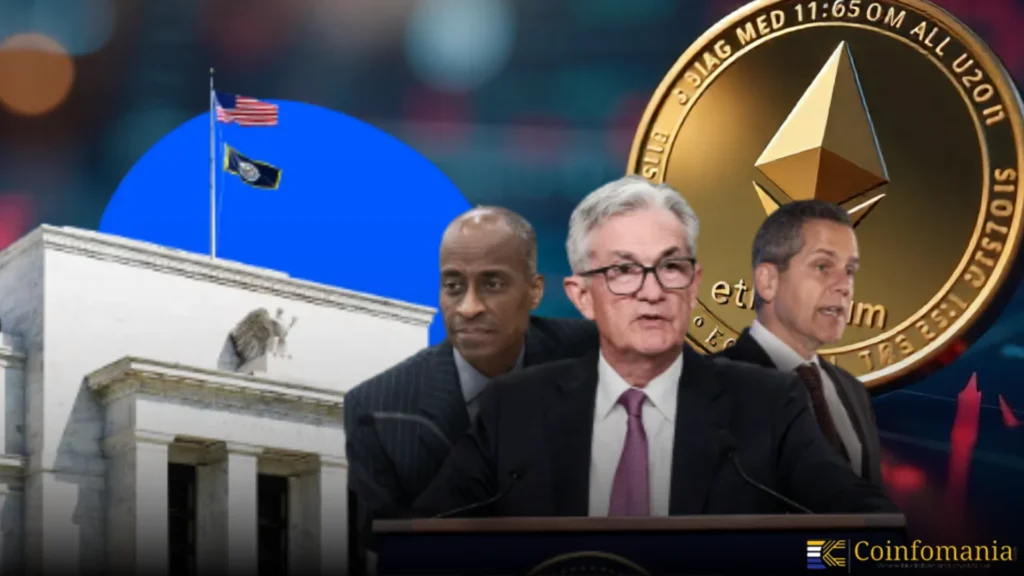
The Fed is supposed to be independent, but let’s be real — politics are creeping in. President Trump has been loudly calling for lower rates, arguing that high borrowing costs are dragging the economy down. At the same time, there’s drama on the Fed’s board, with one governor fighting to keep her seat and new members being confirmed.
That raises a big question: Is the Fed making decisions based on economics, or politics? Investors hate uncertainty, and the more the Fed looks like it’s under pressure, the more markets get jittery.
Stock Market and Consumer Impact
So what happens if the Fed cuts rates?
Cheaper borrowing: Mortgage rates, auto loans, and credit card interest could drop slightly, giving households some relief.
Stronger stock market: Investors usually cheer lower rates, since they boost company profits and make stocks more attractive than bonds.
Retirement accounts: A Fed cut could give 401(k)s and IRAs a short-term lift.
Consumer prices: The downside is, if inflation stays high, your weekly grocery bill and rent won’t magically shrink.
Markets have already priced in a 25-bps rate cut, but if the Fed signals bigger or faster cuts, stocks could soar. On the flip side, if they hold back, expect a sharp selloff.
Why This FOMC Meeting Matters
The Fed is walking a tightrope. Cut rates too early, and inflation could spiral again. Cut too late, and the U.S. could slide into a deeper slowdown.
This September 2025 FOMC meeting is crucial because:
It will show how the Fed views inflation risks.
It will reveal how much they’re worried about the jobs market.
It will set expectations for the rest of 2025.
Everyone from Wall Street investors to small business owners to families paying off credit cards will feel the impact.
The Bottom Line
The next FOMC decision isn’t just about numbers on a chart. It’s about the future of the U.S. economy.
If the Fed gets it right, we could see a soft landing — inflation coming down while the job market holds steady.
If they miss, we’re talking either a stubborn inflation problem or a recession risk.
Either way, the decisions coming out of Washington this month will hit your wallet — whether it’s your mortgage rate, your 401(k), or the price you pay at the grocery store.