
The Alex Pretti shooting in Minneapolis raised serious questions about federal law enforcement, video evidence, and accountability. This article explains what really happened, what officials claimed, and why the public is demanding answers.
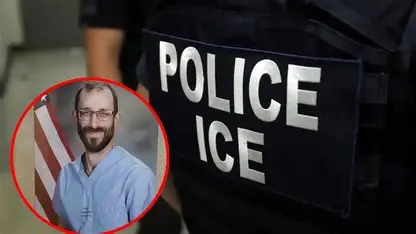
January 24, 2026, should’ve just been another Monday morning — but the moment federal agents opened fire on a man in Minneapolis, the city snapped awake. The world now knows the name Alex Pretti, and if you want the real story — not propaganda or half-baked narrative — this is it.
This isn’t about “hot takes.” It’s about laying out what’s been verified, what’s being argued, and why people are furious at both federal officials and local silence.
Who Was Alex Pretti?

Let’s make this human first — because anyone who strips away the person behind the headline is doing lazy journalism. Alex Jeffrey Pretti, 37, was an intensive care unit (ICU) nurse at the Minneapolis Veterans Affairs hospital. He cared for veterans, was respected by colleagues, and loved hiking with his dog.
His family says he was deeply upset about aggressive immigration enforcement in his city and had participated in protests following another federal shooting earlier in January.
People often remember nurses as helpers — that matters here, because the person shot wasn’t just another face in the crowd. It was someone physically dedicated to saving lives.
The Shooting: Timeline of Events
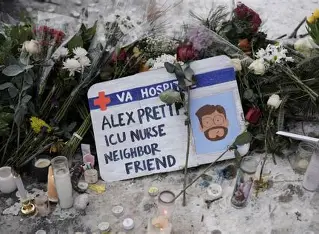
What we know so far, based on verified reporting and footage reviewed by journalists and officials:
Where and when:
- The shooting happened around 9:05 a.m. CST at 26th Street and Nicollet Avenue in south Minneapolis.
What happened:
According to available videos and descriptions from multiple outlets, Pretti was filming federal agents with his phone when he became involved in an interaction between agents and civilians nearby. Those videos show him moving toward the sidewalk and appearing to assist a woman who had been shoved.
Several agents tackled him, pushed him to the ground, and then multiple gunshots were fired. Law enforcement has described it as a defensive shooting, but eyewitness and video accounts do not show Pretti brandishing or firing a weapon before shots were fired.
This incident happened during a period when many immigrant families were already living in fear, as explained in our detailed report on U.S. immigration enforcement and community anxiety.
Federal officials have claimed Pretti approached agents with a firearm. However, the publicly reviewed footage seems to show him holding what appears to be a phone, not a gun, before the moment he was shot.
Here’s a detailed breakdown from CNN’s coverage of the scene and aftermath: [What’s Known So Far About the Killing of Alex Pretti by Federal Officers in Minneapolis]. What’s Known So Far About the Killing of Alex Pretti in Minneapolis (CNN)
The Official Version vs. Video & Witness Accounts
Here’s where it gets tense — because neither side’s version lines up cleanly with everything available.
Federal claims:
DHS and Border Patrol officials have said Pretti was armed and that agents fired after he resisted and posed a threat. A spokesman suggested the situation forced their hand.
Witness/footage accounts:
Multiple outlets — including residents who watched the scene — say Pretti did not brandish a weapon and that he seemed to be filming and reacting to the agents’ treatment of other civilians. Two sworn witnesses have said he wasn’t holding anything threatening when he approached the officers.
This conflict — between official statements and local footage/testimony — is what ignited outrage across Minneapolis. People aren’t just asking what happened; they’re questioning why the government’s story doesn’t match what’s visible.
The Fallout: Protests, Politics, and Pressure
The Alex Pretti shooting didn’t happen in a vacuum.
- This was the second fatal shooting by federal agents in Minneapolis in January 2026 — the first being the killing of Renée Good earlier in the month.
- The incident sparked protests, candlelight vigils, and citywide anger as locals accused federal agents of heavy-handed tactics and evasion of accountability.
- Minnesota Governor Tim Walz publicly demanded a federal withdrawal of certain agents until there’s transparency.
There’s also a legal twist: a federal judge has ordered the Department of Homeland Security (DHS) to preserve evidence, citing concerns over mishandling and restricted access for state investigators. That’s huge. Any attempt to clean up or destroy material now carries legal consequences.
This isn’t just fringe outrage — it’s major legal pressure, political pressure, and organized demands for answers.
The Alex Pretti shooting fits into a wider pattern of tension created by aggressive raids and surveillance, something we explored in how immigration enforcement fuels fear in communities.
So Who Was Alex Pretti Really?
Repeating because this matters:
He was a 37-year-old American citizen, a lawful gun owner with a permit, an ICU nurse, a veteran caregiver, and someone who had personal reasons to be troubled by federal immigration enforcement — because a city was unraveling around him.
His parents and coworkers described him as thoughtful, compassionate, and committed to positive change. That’s not decoration — it matters to any reader trying to grasp the gravity of the killing.
Here’s a solid profile if you want to link deeper into Pretti’s character and legacy: [Who was Alex Pretti, the nurse shot dead by federal agents in Minneapolis?] Who was Alex Pretti? (Al Jazeera)
The Hard Truth About What We Know (and Don’t)
Here’s the nuance you have to be willing to put on the page:
✔ We know he was killed by federal agents during an enforcement action.
✔ We know video contradicts parts of the federal narrative.
✔ We know people in the city are angry and searching for accountability.
❓ We don’t yet have a complete, independently verified timeline of every shot fired.
❓ We don’t know exactly what triggered that final burst of gunfire.
That’s the center of the story, and you’re better off presenting what’s verified and what’s still unclear — not pretending there’s a definitive account yet.
Why This Matters Beyond Minneapolis
This incident ties into broader national debates about federal law enforcement authority, civilian oversight, and public trust in government.
The Alex Pretti shooting has become more than a headline — it’s a flashpoint in a larger conversation about force, transparency, and the limits of power.
And whether readers agree with Pretti’s views or not, the facts we do know deserve honest treatment: he was a caregiver, a citizen, and a man whose death exposed competing narratives no society should ignore.
FAQs
What happened in the Alex Pretti shooting?
Alex Pretti, a 37-year-old ICU nurse, was shot and killed by federal agents in Minneapolis on January 24, 2026, during an immigration enforcement operation. Video footage and witness statements later raised questions about the official account of the incident.
Was Alex Pretti armed when he was shot?
Federal officials said Pretti had a firearm. However, publicly available videos and eyewitness reports suggest he was holding a phone and did not clearly brandish a weapon before being shot. The full circumstances are still under investigation.
Why are people angry about the Alex Pretti case?
Many residents and civil rights groups believe the federal government’s version of events conflicts with video evidence. Concerns over transparency, use of force, and restricted access to evidence have fueled public outrage.
Who was Alex Pretti?
Alex Pretti was an ICU nurse at the Minneapolis VA hospital. He was known for working with veterans and being active in his community. Friends and family described him as compassionate and socially conscious.
Is the Alex Pretti shooting under investigation?
Yes. State and federal authorities are reviewing the incident. A judge has ordered federal agencies to preserve evidence, and multiple legal challenges are ongoing.
How did the shooting affect Minneapolis?
The incident triggered protests, vigils, and political pressure on federal agencies. It also intensified debates about immigration enforcement and federal policing in urban communities.