
Let’s be honest.
If you’ve watched one new streaming show this year, you’ve basically watched them all.
Same drama.
Same characters.
Same “twist” you saw coming from episode one.
That’s exactly why Why Every Streaming Show Feels the Same isn’t just a hot take — it’s reality.
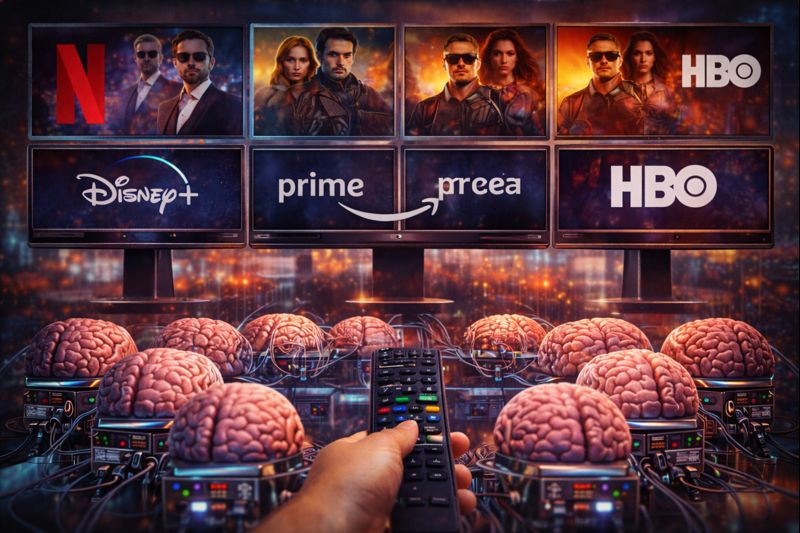
Netflix, Disney+, Prime, HBO… different logos, same boring formula.
And audiences?
They’re tired.
Algorithms Are Writing Your Shows Now
Here’s the uncomfortable truth:
Streaming platforms don’t care about storytelling.
They care about data.
Every click, pause, skip, and rewatch is analyzed. Shows are built to fit trends, not to create something new.
That’s why you keep seeing:
- The same love triangles
- The same trauma backstories
- The same “strong but broken” leads
- The same predictable villains
According to Netflix’s content strategy insights, viewer behavior directly influences what gets made.
So yeah — your favorite show isn’t creative.
It’s calculated.
Original Ideas Are Too Risky
Studios don’t want to take risks anymore.
They want safe profits.
Why try something new when:
- Reboots already have fans
- Sequels already have hype
- Spin-offs already have attention
That’s why Why Every Streaming Show Feels the Same keeps trending as a complaint.
And it’s not just streaming shows.
Franchise content is also burning people out.
The endless superhero spin-offs, multiverse storylines, and recycled characters have created what many fans now call Marvel multiverse fatigue — proof that too much content can actually kill excitement.
New ideas = risk.
Old ideas = money.
And guess what corporations choose every time?
Every Show Is Trying to Please Everyone
Modern streaming shows don’t want to upset anyone.
So they end up saying nothing.
They try to:
- Be edgy but not too edgy
- Be deep but not confusing
- Be political but not controversial
- Be emotional but not uncomfortable
Result?
Soulless content.
You don’t feel shocked.
You don’t feel challenged.
You just scroll to the next episode.
Even The New York Times’ TV analysis has pointed out how formula-driven streaming content has become.
Characters Feel Like Clones
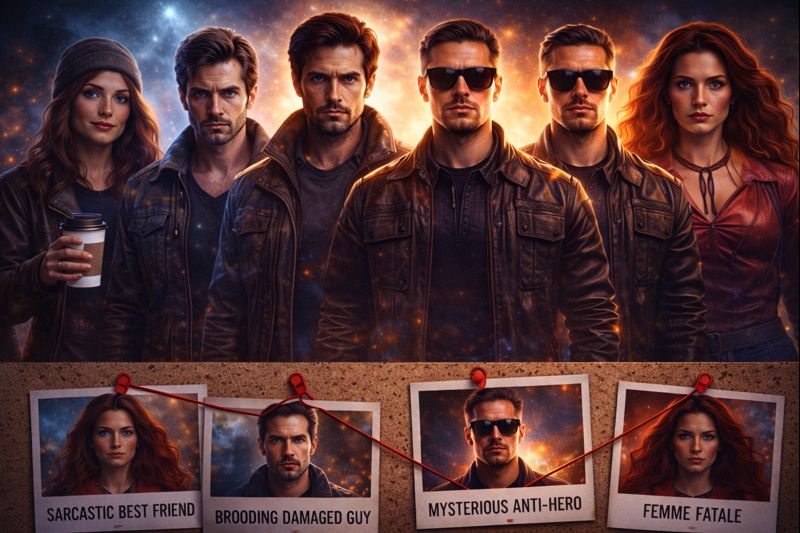
Tell me this doesn’t sound familiar:
The sarcastic best friend.
The emotionally damaged lead.
The mysterious anti-hero.
The morally confused villain.
Different shows.
Same personalities.
When Why Every Streaming Show Feels the Same keeps trending, it’s because characters don’t feel human anymore — they feel manufactured.
No risk.
No depth.
No surprise.
Streaming Platforms Are Playing It Too Safe
The problem isn’t talent.
The problem is fear.
Fear of:
- Cancel culture
- Bad reviews
- Social media backlash
- Financial loss
So platforms stick to what already “works.”
Even Hollywood Reporter’s industry coverage shows how studios rely on proven formulas instead of fresh storytelling.
Safe content = boring content.
Why Viewers Are Getting Streaming Fatigue
People aren’t quitting shows because there’s “too much content.”
They’re quitting because nothing feels different.
Same tone.
Same pacing.
Same endings.
That’s why Why Every Streaming Show Feels the Same isn’t just a complaint — it’s a warning.
When everything feels the same, nothing feels special.
So… Is Streaming Creativity Dead?
Not dead.
Just suppressed.
Great writers exist.
Bold ideas exist.
Fresh stories exist.
But they’re buried under:
- Reboots
- Remakes
- Safe scripts
- Corporate control
The industry doesn’t need more content.
It needs more courage.
So… Is Streaming Creativity Dead?
Not dead.
Just suppressed.
Great writers exist.
Bold ideas exist.
Fresh stories exist.
But they’re buried under:
- Reboots
- Remakes
- Safe scripts
- Corporate control
The industry doesn’t need more content.
It needs more courage.
FAQs
Why every streaming show feels the same?
Because platforms rely on data-driven formulas instead of original storytelling.
Are streaming services running out of ideas?
No. They’re just afraid to take risks with new ones.
Which platforms are the most repetitive?
Netflix, Disney+, and Prime all rely heavily on proven formulas.
Will streaming content improve?
Only if studios prioritize creativity over profit.
1 thought on “Why Every Streaming Show Feels the Same”