
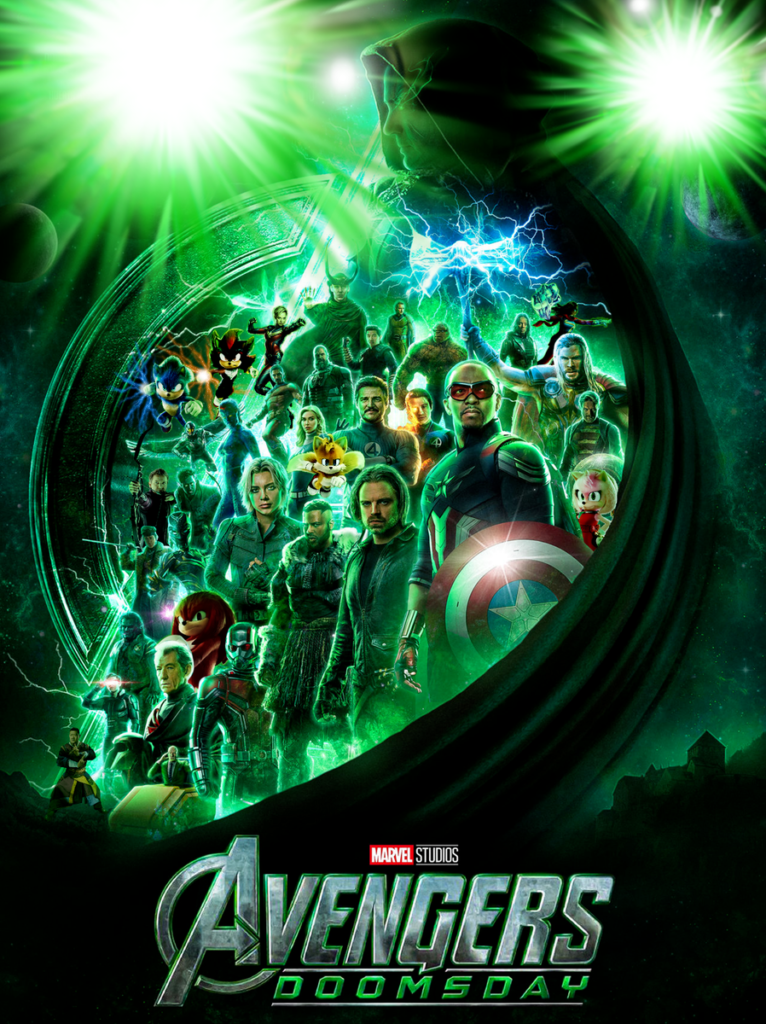
For the first time in years, the MCU doesn’t feel loud — it feels dangerous again.
The Avengers: Doomsday teaser didn’t just trend — it landed like an event. Fan reactions exploded online as Captain America was revealed to be returning, confirming that Steve Rogers is back after his emotional retirement arc in Endgame. The reveal immediately reignited debates about what this film is truly setting up — and what it might be willing to take away.
This doesn’t feel like a press release. It feels like entertainment — the kind that ignites timelines, fuels speculation, and makes audiences care again about the future of the Marvel Cinematic Universe.
Marvel Lost Stakes — Until Now
For the better part of Phase Four and Phase Five, Marvel Studios felt like a safer version of itself. Too many spin-offs. Too many timelines. And very few lasting consequences.
Avengers: Doomsday might be the first time in years that the stakes actually feel real again.
The film is part of Phase Six of the Marvel Cinematic Universe, a phase designed to bring multiple storylines together ahead of Secret Wars. According to Marvel Studios’ official Phase Six roadmap, this era is meant to reshape the franchise rather than simply extend it.
Doomsday itself is officially scheduled for a December 18, 2026 U.S. release, positioning it as one of the most important films in Marvel’s long-term plan, as listed on Wikipedia’s Avengers: Doomsday page.
That’s why fans aren’t just excited — they’re uneasy. And that reaction is exactly what strong entertainment storytelling is supposed to provoke.
Why Captain America’s Return Hits Harder Than Nostalgia
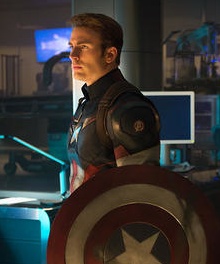
Seeing Steve Rogers again should feel warm and reassuring. Instead, the way he’s teased in Doomsday feels unsettling.
Rather than signaling celebration, his return raises uncomfortable questions. This isn’t the same Captain America audiences remember. He feels heavier, more cautious — like someone who understands the cost of what’s coming.
That tonal shift is crucial. U.S. audiences aren’t obsessing over the suit or the shield. They’re asking why he’s back now, what pulled him out of retirement, and whether this return is meant to end in survival — or sacrifice.
Doctor Doom Isn’t a Villain — He’s a Narrative Earthquake
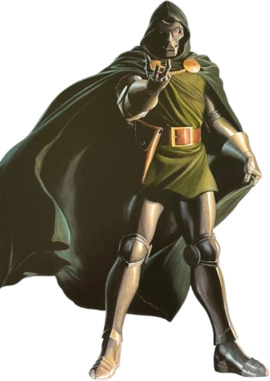
This is where Avengers: Doomsday either succeeds or collapses.
If Doctor Doom is reduced to a one-note antagonist or defeated too easily, the entire film loses its edge. Doom only works if he forces Marvel to actually reset the system — not just threaten a city for two hours.
The MCU hasn’t experienced a truly unfixable loss since Thanos. If Doom walks in and gets steamrolled, fans won’t just be disappointed — they’ll feel cheated.
Marvel has already hinted that Phase Six is meant to act as a reset point for the franchise, something explored in its broader Marvel’s Phase Six reset direction.
In the comics, Doctor Doom has always represented control, dominance, and long-term consequences rather than short-term chaos — a legacy detailed in Doctor Doom’s Marvel history. That’s exactly why he’s the right character to challenge the MCU at a structural level.
The Multiverse as a Threat — Not an Excuse
Marvel’s multiverse has been both a blessing and a crutch. It opened creative doors, but it also allowed consequences to be reversed too easily. Deaths became temporary. Mistakes became optional.
Doomsday feels different.
This doesn’t feel big because it’s louder. It feels big because it might actually hurt. Instead of expanding endlessly, the universe feels like it’s on the verge of breaking.
That tonal shift explains why U.S. audiences — tired of endless expansion — are reacting with genuine excitement.
Why This Feels Like a Reckoning Instead of Setup
Marvel has trained viewers to expect long setups and delayed payoffs. Entire films have existed just to point toward something further down the line.
Avengers: Doomsday doesn’t feel like that.
As the 39th film in the MCU, according to Wikipedia’s MCU film list, Doomsday carries the weight of deciding whether Marvel can still surprise its audience — or whether it has run out of risks to take.
Everything about its positioning suggests a reckoning rather than a placeholder.
Fan Buzz Is Already Exploding — And It Feels Earned
The reaction to Avengers: Doomsday has been immediate and emotional. Fans aren’t just watching the teaser — they’re dissecting it. Every frame is slowed down, every line of dialogue reexamined, and every background detail treated like a potential clue.
Speculation around Steve Rogers’ return has dominated social media, while hints about Doctor Doom’s role have sparked debates about how far Marvel is willing to go this time.
This isn’t passive hype. It’s engagement driven by uncertainty — the kind Marvel hasn’t sparked in years.
This Matters — Because Marvel Can’t Afford to Miss Again
Avengers: Doomsday doesn’t feel safe.
It doesn’t feel nostalgic.
It feels necessary.
If Marvel commits to real consequences, this could be the event film that pulls audiences back into the MCU with genuine emotional investment — not because it’s bigger, but because it’s willing to take something away.
If it plays things safe, the disappointment will land just as hard as the hype.
For now, though, the excitement feels real. The stakes feel heavy. And for the first time in years, Marvel fans aren’t watching out of habit — they’re watching because they’re unsure what’s going to survive.
And that uncertainty might be Marvel’s most powerful move yet.
FAQs
Is Avengers: Doomsday officially confirmed?
Yes. Avengers: Doomsday is an officially announced Marvel Studios film and is part of Phase Six of the Marvel Cinematic Universe.
What is the release date for Avengers: Doomsday in the U.S.?
Avengers: Doomsday is scheduled to release in U.S. theaters on December 18, 2026.
Is Captain America returning in Avengers: Doomsday?
Yes. Steve Rogers’ return has been teased, signaling a major emotional and narrative shift for the MCU.
Will Doctor Doom be the main villain in Avengers: Doomsday?
Doctor Doom is widely expected to play a central role, potentially acting as a franchise-level reset rather than a traditional villain.
How does Avengers: Doomsday connect to Secret Wars?
The film is positioned as a major Phase Six event that helps set the stage for Avengers: Secret Wars.
2 thoughts on “Avengers: Doomsday Feels Like Marvel’s Last Real Shot at Making Us Care Again”